Cosmetic Dentistry
Gap Between Front Teeth: Treatment Options, Costs, and What Works Best


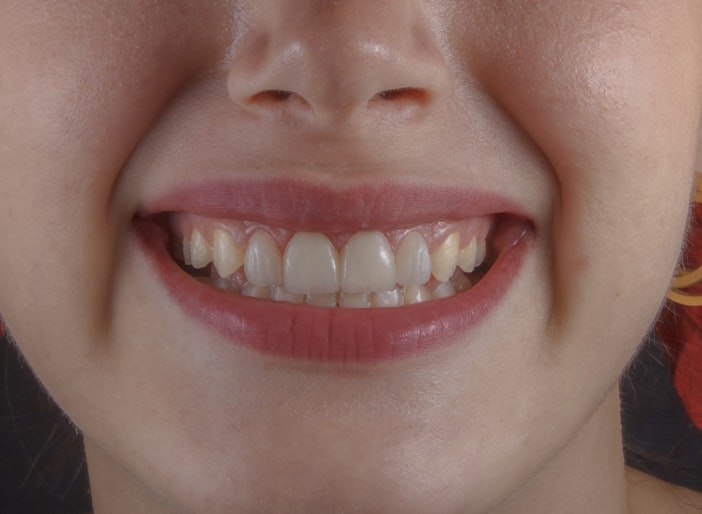
The gap between the two front teeth has a proper name (diastema), and it's got an interesting relationship with the people who have one. Some genuinely love their gap, treating it as part of their look. Madonna, Georgia May Jagger, Eddie Murphy: the gap became part of who they are. For others, it's the thing they notice in every photo they're in, the reason they smile with their mouth closed, the feature they've been quietly thinking about changing for years.
Both responses are completely valid, and we want to say that upfront. A diastema isn't a dental problem. It doesn't affect dental health, doesn't cause pain, doesn't need treating unless the person who has one actually wants to change it.
If you do want to change it though, the options are more varied, more affordable, and more accessible than most people realise. Let's walk through them properly.
Why the Gap Is There in the First Place
There are a handful of reasons a gap develops, and which one applies can sometimes shape which treatment makes most sense.
Sometimes the jawbone is just larger than the teeth need, which leaves excess space that shows up most visibly between the upper front two. Sometimes the lateral incisors (the teeth right next to the front pair) are missing or undersized, which lets the remaining teeth spread into the available space. Sometimes the frenum (that's the small piece of tissue connecting your upper lip to the gum between the front teeth) is oversized and physically holds the teeth apart if it extends too far down between them. A tongue thrust swallowing pattern, where the tongue pushes forward against the front teeth when you swallow, can gradually push them apart over years. Advanced gum disease weakens the bone enough that the teeth start to drift. And quite often, in people who had braces years ago and stopped wearing their retainers, the teeth have just gradually drifted back toward where they originally were.
Closing the Gap With Composite Bonding
This is the quickest, most affordable, least invasive option, and honestly it's where most conversations about closing a small gap end up starting. The dentist builds up the sides of the front teeth with tooth-coloured composite resin, sculpting it by hand until the gap is closed and the teeth look properly proportioned. One appointment, 30 to 60 minutes per tooth, no drilling at all. You walk in with a gap and walk out without one.
Composite bonding really comes into its own for smaller gaps of 1 to 3mm, where the amount of material added stays naturally proportional to the rest of the tooth. At UrgentCare Dental it's from £199 per tooth, so doing both front teeth comes to £398. The bonding lasts 5 to 7 years before needing a refresh, and any small chips or stains down the line are quick and inexpensive to put right.
The thing we particularly like about composite bonding for gaps is that it's the only option that's fully reversible. The composite can be removed entirely without affecting the natural tooth underneath, which is a really lovely property if you're trying out a closed-gap look and want to know you can change your mind, and it's a big part of whether composite bonding is worth it for people weighing up their gap options.
Closing the Gap With Porcelain Veneers
Veneers take a different approach. Instead of building up the sides of the teeth, they cover the entire front surface of each tooth with a thin shell of ceramic, which means they don't just close the gap, they can transform the whole look of the smile at the same time. Two appointments (one for preparation and impressions, one for fitting), and the result has a translucency and depth that mimics natural tooth enamel beautifully.
Porcelain veneers are the right call when the gap isn't actually the only thing on your mind. Discoloured front teeth, minor chips, slight misalignments, all of that gets addressed in the same treatment because veneers resurface the whole front of the tooth. So if you've been thinking about a broader smile transformation and the gap is part of it, veneers tend to be the option that does everything at once.
At UrgentCare Dental, porcelain veneers are £695 per tooth, so the two front teeth come to £1,390. For a broader transformation across 4 to 6 teeth, the total runs £2,780 to £4,170. They last 10 to 15 years with very little maintenance.
Closing the Gap With Clear Aligners
Aligners take the most fundamentally different approach of the three. Rather than adding any material to the teeth, they actually move the teeth themselves into a new position. A series of transparent plastic trays gradually reposition the teeth over 3 to 6 months (much shorter than full orthodontic treatment, because all we're doing is closing the gap and addressing any minor alignment issues, not a full smile rebuild).
The result is your own natural teeth in a new position. No bonding, no veneers, nothing added on top, just the teeth themselves where you want them. And the result is permanent, provided you wear your retainers afterwards. At UrgentCare Dental, clear aligners are from £999 for a single arch, or from £1,999 for both arches, which includes all the scans, all the aligner trays, the retainers afterwards, a hygiene appointment worth £120 and teeth whitening worth £350.
Aligners are the natural fit for larger gaps of 3mm or more, because adding enough bonding or veneer material to bridge a gap that wide makes the teeth look noticeably broader than they should. Moving the teeth keeps the natural proportions exactly right. They're also the best answer when the gap comes alongside other minor alignment issues like a bit of crowding or rotation, because the aligners are already doing the moving anyway.
When Crowns or a Frenectomy Come Into It
Crowns from £650 per tooth at UrgentCare Dental can close a gap by covering the entire visible tooth, but they're rarely the first choice unless the teeth need crowning for other reasons (a large existing filling, previous root canal treatment, significant structural damage). For healthy teeth where the gap is the only concern, bonding, veneers, or aligners preserve more natural tooth structure.
If an oversized frenum is contributing to the gap, a frenectomy (a minor surgical procedure at £100 to £400) removes the tissue that's holding the teeth apart. It doesn't close the gap on its own, but it removes the force keeping it open, so whatever treatment follows can work properly in the long term.
And if the gap was caused by gum disease, the periodontal treatment needs to come first. Closing a gap cosmetically while the underlying bone loss continues doesn't actually address what's going on.
How the Three Main Options Compare at a Glance
For two front teeth, composite bonding comes in at around £398 in a single hour-long appointment, lasts 5 to 7 years, and is fully reversible. Porcelain veneers come in at around £1,390 over two appointments roughly two weeks apart, last 10 to 15 years, and aren't reversible (a small amount of enamel is removed during preparation). Clear aligners are from £999 an arch over 3 to 6 months of gradual repositioning, with permanent results provided you wear your retainers afterwards. Different price points, different timelines, different commitment levels, all delivering the same end result of a closed gap.
How Gap Size Affects the Choice
Up to about 2mm, composite bonding is right in its sweet spot. The teeth still look naturally proportioned, the work is quick, the cost is the lowest. In the 2 to 4mm range, all three of the main options work, but bonding requires more material to be added and the teeth can start to look a bit broader than they would naturally, which is really the heart of the Invisalign versus composite bonding decision. Beyond 4mm, moving the actual teeth with aligners is really the right call, because adding enough material to bridge a gap that wide just doesn't end up looking quite right on the face.
Have a Look Before You Commit
At UrgentCare Dental, our smile preview tool shows what the closed gap would actually look like on your face before any treatment starts, which turns "yeah but what would it look like though?" into a visible answer right away. Some patients see the preview and decide to go ahead immediately. Others see it and decide they actually prefer the gap they've got. Both outcomes are completely valuable.
The consultation covers why the gap is there, whether it's stable or slowly widening, and which options would suit you best. Composite bonding from £199 per tooth, porcelain veneers at £695 per tooth, and clear aligners from £999 are all available on 0% finance over 12 months, which spreads the bigger options into really manageable monthly payments.
The gap between your front teeth is a feature, not a flaw. Closing it is a choice, not a necessity. And for those who do choose to close it, the options are accessible, the results are excellent, and the transformation is, quite literally, smile-changing.
Ready for Your Dream Smile?
Composite bonding from £199, veneers from £695. 0% finance available on treatments over £500.
Or see all our cosmetic treatments, with prices →