Clear Aligners
How Long Does Invisalign Take? The 2026 Timeline (And What Really Decides It)


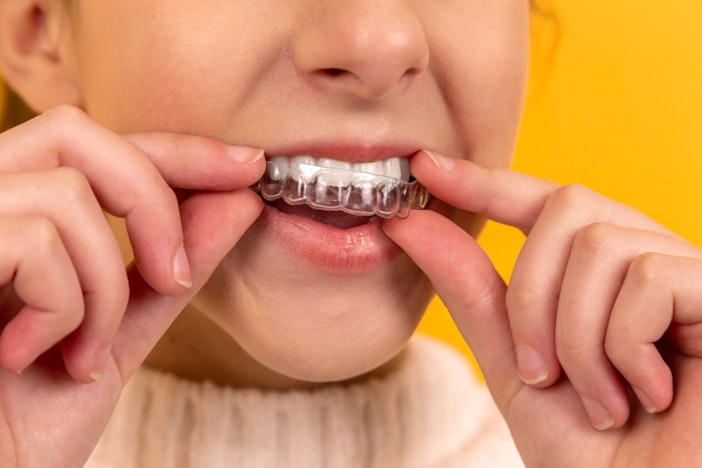
So you've made the decision, or you're close to it. The teeth are going to get sorted. And now the very next thing you want to know, the thing that's actually going to shape how this fits into your life, is simple: how long is this going to take?
It's a fair question, and we're going to give you a proper answer. But we want to be honest with you from the start, because there's a slightly surprising truth hiding in here that most people don't expect.
Here it is: the biggest factor in how long your treatment takes isn't your teeth. It's you.
We'll come back to that, because it genuinely matters. First, let's give you the numbers you came for.
The Honest Range
Most people finish Invisalign treatment somewhere between six and eighteen months. That's the real spread, and where you land inside it comes down almost entirely to how much your teeth need to move.
If your teeth only need a gentle nudge, maybe a little shift that crept in after your old teenage retainer went missing, or one tooth that's always sat slightly out of line, you could be done in as little as three to six months. These simpler cases are lovely, honestly. Fewer aligners, less time, and you're smiling at the result before you've quite got used to wearing them.
The middle ground, which is where most people sit, runs around twelve to fourteen months. That's the honest number for someone with noticeable crowding or spacing who wants a properly straight smile, not just a tidy-up.
And then there's the bigger jobs: serious crowding, larger gaps, a pronounced overjet, or bite issues that have been there for years. These take longer, often eighteen months and sometimes pushing towards two years, because your teeth simply have further to travel, and teeth like to be moved gently rather than rushed.
Here's a nice thing to hold onto while you wait, though. You won't be staring at the same crooked smile for a year wondering if anything's happening. Most people start noticing real, visible changes within the first six to ten weeks. The early movement is often the most dramatic, so the encouraging bit comes early.
If a year or so of wearing trays sounds like a big ask against everything else on your plate, it's worth reading our honest breakdown of whether Invisalign is worth it, because the timeline is only half the picture.
Why "You" Is the Real Answer
Now, back to that surprising thing we mentioned.
Invisalign works through a very simple idea: each set of aligners is shaped slightly differently from your teeth as they are now, so wearing them applies a gentle, constant pressure that coaxes your teeth towards where they're meant to be. You move through the sets one by one, and your teeth follow the path.
The catch, and it's the whole game really, is that the aligners only work while they're actually in your mouth.
They need to be worn twenty to twenty-two hours a day. That sounds like a lot until you realise it basically means "all the time except eating and brushing." Pop them out for meals, clean your teeth, pop them back in. That's it.
But here's where people quietly extend their own treatment without meaning to. Leaving them out for a long lunch, then a coffee, then forgetting them in a napkin for an afternoon, that all adds up. Your teeth don't just pause when the aligners are out; they can start drifting back, so the next tray doesn't fit quite right, and suddenly your fourteen-month plan is stretching towards twenty.
So when someone asks us how long Invisalign takes, the most honest answer we can give is: about as long as your dentist predicts, if you wear them like you're told. The people who finish early, and they do exist, are almost always the ones who treated the twenty-two hours as non-negotiable from day one.
It's quite a freeing thought, actually. The timeline is largely in your hands.
The Bits That Can Add a Little Time
A couple of other things can nudge the timeline, and they're worth knowing about so they don't catch you off guard.
The first is refinements. Towards the end of treatment, your dentist might take another look and decide a few teeth need a touch more fine-tuning to get everything sitting perfectly. So they order an extra set of aligners, the "refinement" trays, to polish off the result. This is completely normal, and honestly it's a good sign: it means your dentist is chasing a proper finish rather than just calling it done. It can add a few weeks to a couple of months.
The second is attachments. For some movements, your dentist bonds tiny tooth-coloured bumps onto a few teeth, which give the aligners something to grip so they can do trickier work. They don't change how long things take so much as make certain movements possible at all, but they're part of the picture for more complex cases.
And then there's the simple fact of biology. Teeth move at the pace teeth move. You can't iron mouth into straightness overnight, and you wouldn't want a treatment that tried to. Gentle and steady is exactly what keeps your teeth healthy while they travel.
What Happens When You're Done
When the last aligner has done its work, you're not quite finished, and this is the part people forget to plan for.
Teeth have memory. Left to their own devices, they'll slowly try to wander back towards where they started. So at the end of treatment you'll be given retainers to hold everything in place, and you'll want to keep wearing those, usually at night, for the long run. Think of it as the small, easy habit that protects everything you just spent a year earning. It's a couple of minutes a day to keep a smile you'll have for decades.
How This Fits Into Real Life
The genuinely good news is that the whole point of clear aligners is that they slot into your life rather than taking it over. They're nearly invisible, so most people around you won't even clock that you're wearing them. You take them out to eat whatever you fancy. There's no metal, no wires, no dramatic "before" phase where you dread photos. The year passes, your teeth quietly straighten, and one day you catch yourself smiling without thinking about it.
And the cost side is friendlier than most people expect, too. Invisalign is a brand name, not a type of treatment, and the brand premium can run into thousands of pounds for work that other clear aligners do just as well. At UrgentCare Dental, clear aligners are from £999 for a single arch, or from £1,999 for both arches, and that includes the consultation, all your aligners, your check-ups along the way, the retainers at the end, a hygiene appointment worth £120 and teeth whitening worth £350. Everything you need to go from "I really should do something about that" to actually having done it.
If you're weighing it all up, the best next step is simply to find out what your teeth specifically would need. A quick scan tells you your real timeline, your real cost, and what your finished smile would look like before you commit to anything. No guessing, no sticker shock, just the honest picture for your mouth.
Because here's the thing worth remembering through all of this: in twelve months' time, that year is going to pass anyway. The only question is whether you reach the end of it with the smile you've been quietly thinking about, or still thinking about it.
Want Straighter Teeth?
Clear aligners from £999, or from £23/month at 12.9% APR over 5 years. Free consultation included.
Or see how clear aligners fit with our other treatments →