Invisalign
Is Invisalign Worth It? An Honest Answer, From £999


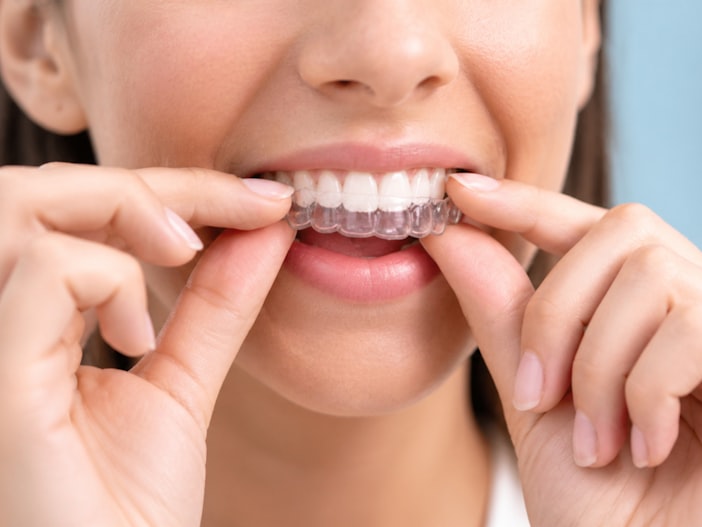
Here's the straight answer, because you came here for one: if your teeth are a little crowded, gappy, or wonky, and you're honestly the sort of person who'll keep the aligners in, then Invisalign is well worth it. At UrgentCare Dental it starts from £999 for a single arch, or from £1,999 for both arches, it's almost invisible while it works, and you get to see your finished smile on screen before you ever commit a penny to it.
That last bit is the part most websites skip over, so we'll come back to it. First, let's earn the "yes" properly: what it really costs, the trade-offs told straight, the wear rule that trips people up, and the honest reasons some people give up halfway. By the end you'll know if it's worth it for you, which is the only version of the question that counts.
So, What Is Invisalign Actually Doing?
Think of Invisalign as a gentle, patient nudge rather than a shove. Instead of metal brackets glued to your teeth, you wear a series of clear plastic trays, each one shaped a tiny bit straighter than the last. You pop a tray in, wear it for a week or two, then swap it for the next, and step by step your teeth drift into line. It's a bit like slowly bending a garden cane into shape: push too hard and it snaps, but a small steady pressure over time moves it exactly where you want it.
The reason people love it comes down to one thing: you can barely see it. The trays are see-through and they lift out, so nobody at work notices, and you take them out to eat whatever you fancy. That invisibility is the whole appeal, and it's why so many grown-ups who'd never wear metal braces will happily do this instead.
The Honest Price, and What You Actually Get
Clear aligners at UrgentCare Dental start from £999 for a single arch, or from £1,999 for both arches, with a hygiene appointment worth £120 and teeth whitening worth £350 included. Spread over the treatment on 0% finance, the single arch lands around £42 a month across two years, which for a lot of people is less than they spend on coffee. You can see how the numbers break down in our full guide to Invisalign cost in the UK, and if you want the wider aligner picture there's our clear aligners cost guide too. If you're weighing Invisalign against a newer name, our honest look at 32Co versus Invisalign is worth a read before you decide.
Now, here's where we'd gently point out the difference between us and most of the thin little pages you'll find on this. Before you pay anything, we'll show you a preview of your future smile, so you're not handing over money on a promise, you're buying a result you've already seen. That's our smile preview tool, and it turns the whole thing from a leap of faith into a simple decision. When you're weighing up whether something is "worth it," being shown the ending first changes the maths completely.
What Are the Negatives of Invisalign?
No treatment is all sunshine, and you deserve the catches as plainly as the perks, so here they are.
The big one is discipline. Invisalign only works while the trays are actually in your mouth, and they need to be in for around 22 hours a day, every day. Take them out too often and your teeth simply stop moving, which is the single most common reason treatment drags on longer than planned.
Then there's the fuss of eating. Every time you have a meal or even a cup of tea, the trays come out, and after you eat you're meant to brush before they go back in. It becomes second nature quickly, but for the first week it feels like a faff, and it's fair to know that going in.
And it isn't magic for every case. Invisalign is brilliant for mild to moderate crookedness, gaps and crowding, but if your bite is badly out or a tooth needs a big, complex move, fixed braces sometimes do a job the trays can't. A good dentist will tell you honestly which camp you're in, and we always will. We go deeper on that choice in our comparison of traditional braces versus Invisalign.
What I Wish I Knew Before Getting Invisalign
If we could sit every new patient down and tell them three things beforehand, it'd be these.
First, there are little tooth-coloured bumps called attachments. To move certain teeth, we stick tiny dots of tooth-shaped filling material onto them for the aligners to grip, a bit like the handles a climber needs on a wall. They're barely visible and they come off at the end, but people are sometimes surprised they exist, so now you won't be.
Second, you'll wear a retainer afterwards, probably for good. Teeth have a memory and they love to wander back, so a thin retainer at night is what keeps your lovely new smile put. It's a small habit, and it's the difference between a result that lasts and one that slowly slips, though don't worry if it feels a little tight the odd time you've skipped a night or two: it settles again quickly once you're back into the habit.
Third, the first couple of days of each new tray feel snug, and that's the treatment working. It's the gentle pressure doing its job, it settles within a day or two, and if you're wondering about the discomfort side of things we've written honestly about whether Invisalign hurts.
Fourth, your tongue might trip over a word or two at first, since a slight Invisalign lisp in the opening days is common and almost always gone within a week.
What Is the 30-Minute Rule With Invisalign?
This one sounds mysterious but it's simply a handy guide to help you hit those 22 hours a day. The idea is to keep the time your aligners are out as short as you can, roughly half an hour at a stretch, whether that's a meal or a coffee break.
The reason is straightforward: your teeth only move while the trays are pressing on them, so every extra minute they're sitting in a case on the table is a minute of progress lost. Keep each break to around 30 minutes, put them straight back in after, and the whole treatment stays on schedule. Think of it like a slow-cooker: it works beautifully as long as you keep the lid on, and every time you lift it off you add to the cooking time.
Why Do People Quit Invisalign?
Honestly? Almost never because it doesn't work. When people give up, it's usually one of a few very human reasons, and knowing them upfront is the best way to make sure you're not one of them.
The most common is losing patience with the wear time. Someone starts leaving the trays out for lunch, then for a whole afternoon, then forgets them overnight and can't find them the next morning, and because their teeth stop moving they feel like it isn't working, when really it's just not being worn. It's a discipline wobble dressed up as a treatment failure.
The next is losing a tray, panicking, and letting weeks slip by. It happens, and the fix is dull and simple: you tell your dentist, you wear your previous tray to hold things steady, and you carry on. It's only a problem if you go quiet about it.
And a few people quit because their case was more complex than a quick online assessment let on, so progress felt slow. That's exactly the trap our proper look is designed to spare you from, because we'll tell you before you start whether Invisalign is genuinely the right tool for your teeth or whether something else would serve you better.
Who Invisalign Is Genuinely Right For
Let's make it concrete, because that's when it clicks. Invisalign is a lovely fit if your front teeth are a bit crowded or overlapping and you'd love them tidy for a wedding, a new job, or just for you. It's ideal for closing a gap that's bugged you for years, and it's perfect for the grown-up who wants straighter teeth but would rather not announce it to the whole office with metal.
Above all, it suits someone who'll wear the thing. If you're the type who'll build the trays into your routine and keep them in, you'll get a result that genuinely feels worth every pound. If you're local, you can see exactly how we do it in Leeds on our clear aligners in Leeds page, or in Manchester on our clear aligners in Manchester page.
Who It Isn't For (And What We'd Suggest Instead)
Now the flip side, because steering you wrong helps nobody. If your bite is significantly off or a tooth needs a big rotation or a long journey across your mouth, fixed braces may simply do it better and faster, and we'd say so. If you know in your heart you won't keep the trays in for 22 hours a day, that's worth being honest about too, because half-worn aligners give half a result and nobody's happy with that.
And if you only want to fix a chip or a small worn edge rather than move your teeth at all, straightening is the wrong tool entirely, and something like bonding would sort it in a single visit. We'd always rather point you to the treatment that actually fits than sell you one that doesn't. How long the aligner route takes is covered in how long Invisalign takes, if timing is part of your decision.
So, Is It Worth It?
For mild to moderately crooked teeth, and for anyone who'll wear the trays as they're meant to, our honest answer is a clear yes. You get straighter teeth without anyone needing to know it's happening, for £999 an arch, and you get to see the finished result before you start, which takes almost all the risk out of the decision. The trade-off is the discipline of keeping them in and a retainer at night forever after, and for most people that's a very fair deal for a smile they'll have for life.
The surest way to know is to have someone actually look at your teeth and tell you the truth about them. Our £20 emergency and assessment appointment includes X-rays and a proper look, and from there we'll tell you honestly whether Invisalign is your best route or whether something else would suit you better. Either way, you'll leave knowing exactly where you stand, which is worth quite a lot on its own.
Want Straighter Teeth?
Clear aligners from £999, or from £22/month at 12.9% APR over 5 years. Free consultation included.
Or see how clear aligners fit with our other treatments →