Retainers
Why Does My Retainer Hurt After Not Wearing It for a While?


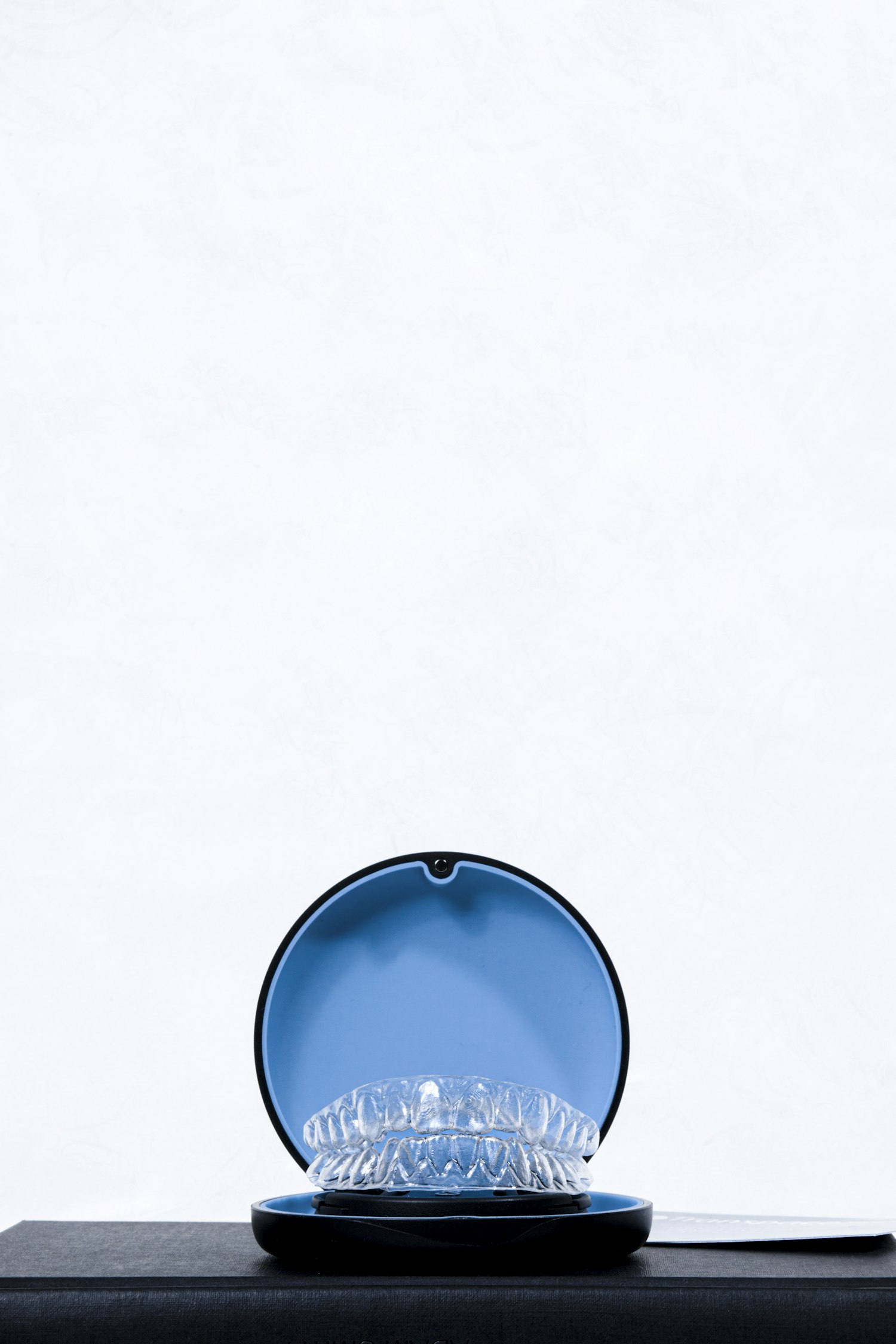
You've dug out your old retainer, popped it in, and ouch: it feels tight, sore, and like it barely fits. Before you panic, here's the reassuring headline: that discomfort is usually a good sign, and it means the retainer is doing exactly its job.
Let's talk through what's really going on in your mouth, whether you should push through the soreness, how long it takes to settle, and the point where it's worth getting a bit of help. By the end you'll know exactly what to do with that retainer tonight.
Why It Suddenly Hurts
Here's the simple truth that explains everything. Your teeth are not set in concrete: they sit in bone that's alive and always able to shift a little. The whole reason a retainer exists is that teeth have a lifelong tendency to drift back toward where they started, slowly and quietly, especially in the months and years right after braces or aligners.
So when you stop wearing your retainer for a while, your teeth take the opportunity to move a touch. Then you put the old retainer back in, and because it was moulded to your teeth in their straighter position, it no longer matches where they've wandered to. It presses on the teeth that have moved and gently pushes them back into line. That pressure is the soreness you're feeling. It's the exact same tightness you'd have felt in the first days of orthodontic treatment, and it means the retainer is working, not broken.
Think of it like a key in a lock that's shifted slightly: it still goes in, but it's stiff, and it takes a firm, steady press to seat properly. The retainer is nudging your teeth back to where the "lock" lines up again.
Should I Keep Wearing It Even Though It Hurts?
This is the big question, and for mild to moderate soreness the answer is usually yes, keep going, gently and sensibly.
If the retainer still seats fully, even if it's snug and tender, wearing it consistently is what coaxes your teeth back and settles the discomfort. The pain generally eases over a few days as the teeth respond and the fit improves, much like breaking in a stiff pair of shoes. Wearing it only now and then does the opposite: your teeth drift, the retainer fights them, it hurts, you leave it out, they drift more. Consistency is what breaks that cycle.
There are two important limits to that, though, so let's be clear about them.
When to Stop and Get It Checked
Please don't force a retainer that won't go all the way on. If you have to bite it hard into place, if it feels like it might crack, or if it simply won't seat over the teeth at all, stop, because forcing it can hurt your teeth or snap the retainer. That's a sign your teeth have moved more than the old retainer can gently correct, and it needs a proper look rather than brute force.
Likewise, if the soreness is sharp rather than a dull ache, if a specific tooth feels loose or wobbly, or if the discomfort is getting worse over a week instead of better, that's your cue to get it checked. Ongoing or worsening pain isn't part of the normal settling-in, and it's easily sorted early.
For a retainer that seats snugly and aches for a few days before easing, though, you're on the right track: keep wearing it.
How Long Until It Feels Normal Again?
Most people find a snug-but-seatable retainer stops hurting within about three to seven days of wearing it steadily, because that's roughly how long the teeth take to shift back and the fit to re-settle.
The catch is that after a gap you'll likely need to go back to wearing it more than you had been, often full-time for a stretch, until it feels loose and comfortable again, then easing back to nights only. The longer the gap since you last wore it, the longer this takes, which is simply because the teeth had more time to drift. If it's been a few weeks, you may settle in days. If it's been years, that's a different conversation, which brings us to the honest bit.
What If It's Been Months or Years?
Let's be straightforward here, because a lot of people are quietly worried about this one. If it's been a long time and your teeth have drifted noticeably, an old retainer may no longer be the right tool. It was made for teeth in a position they've now left, so it can't always gently walk them all the way back, and pushing it can do more harm than good.
That's not a disaster, and it's certainly not you having "ruined" anything. It just means the plan shifts from retaining to gently re-straightening. Often the answer is a fresh retainer made to fit your teeth as they are now, to hold them and stop further drift. If the movement is more significant, a short, modern course of clear aligners can ease the teeth back into line comfortably, and it's frequently a much quicker and gentler job the second time around than the first, because the teeth are only being nudged back rather than moved from scratch. Clear aligners at UrgentCare Dental are from £999 an arch, and our honest take on whether they're worth it is worth a read if you're weighing it up. Once you're straight again, a new retainer keeps it that way for good.
The Real Lesson, Kindly Put
Here's the thing worth taking away, without any lecture attached: retainers aren't a phase, they're forever, precisely because teeth never lose that lifelong urge to drift. Most people move to just wearing one a few nights a week long-term, which is a tiny bit of upkeep to protect a smile you invested real time and money in. If your old one hurting has reminded you to get back into the habit, that's genuinely a win.
If you'd like a wider look at your options for keeping or re-straightening your smile, our guide to teeth straightening for adults lays them all out plainly.
The Simplest Next Step
If your retainer seats snugly and aches for a few days, keep wearing it and it should settle. If it won't go on properly, feels sharply painful, or it's been a long time and your teeth have clearly shifted, that's the moment to have someone take a quick look rather than force it.
Our £20 emergency and assessment appointment includes X-rays and a proper look, so we can tell you whether your existing retainer just needs settling back into, whether a fresh one made to your teeth now is the answer, or whether a short course of aligners would gently bring your smile back. Either way you'll leave knowing exactly how to protect that straight smile, without forcing anything or guessing at home.
Need Emergency Dental Care?
Same-day appointments from just £20. Open 24 hours, 7 days a week.
Or see every treatment we offer, with prices →