Invisalign
Does Invisalign Give You a Lisp? What to Really Expect


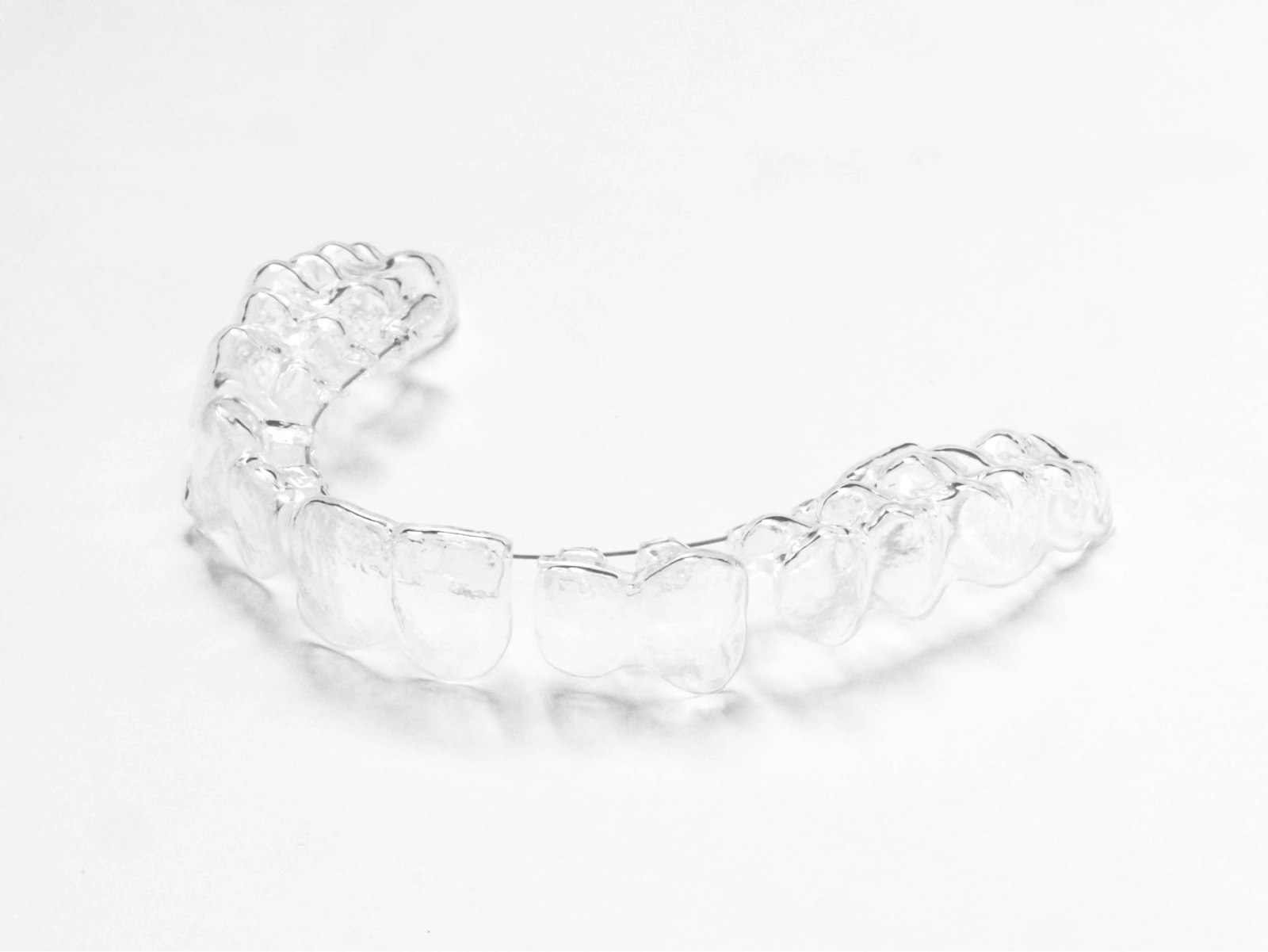
If you're thinking about clear aligners, there's a good chance you've had a quiet worry about how you'll sound at work, and you're far from alone in that. The honest answer is reassuring: some people do notice a slight lisp for the first few days, and for almost everyone it fades within a week as the tongue gets used to the new shape.
We want to give you the full, calm picture here, because a small speech worry shouldn't be the thing that stops you getting the smile you'd love. So let's talk about why it happens, how long it really lasts, and the simple tricks that get you speaking clearly again in no time.
Why a Lisp Can Happen at First
Here's what's actually going on, and it's simpler than you'd think. Your tongue makes certain sounds, especially the "s" and "z" ones, by lightly touching the back of your top front teeth. When you pop in a set of aligners, you've added a thin, smooth layer of plastic over those teeth, and suddenly your tongue is reaching for its usual spot and finding it a hair's breadth different from before.
Think of it like walking downstairs in the dark when someone's added a step. Your foot expects the floor where the floor used to be, and for a moment you're thrown, until your body quietly recalibrates. Your tongue does exactly the same thing with aligners, and once it learns the new landmark, the sounds snap back to normal. That learning is quick, which is the good news we'll come to next.
How Long It Actually Lasts
For the great majority of people, any lisp is a matter of days, not weeks. Your tongue is remarkably good at adapting, and it usually sorts itself out within two or three days, with any last trace gone by the end of the first week. By then the aligners feel like part of you and you stop thinking about them at all.
There's a helpful pattern worth knowing too: each time you move to a new set of aligners, the change is so tiny that most people notice no speech difference at all after the first one. The big adjustment is right at the very start, and once your tongue has learned the general feel of wearing aligners, the rest of your journey is smooth sailing. So the worry, real as it is, applies mostly to your first few days ever, not the whole treatment.
Simple Tricks to Speak Clearly, Faster
You don't have to just wait it out, either. A little practice speeds your tongue's adjustment along nicely, and these small habits genuinely help.
The best one is almost too simple: talk more, not less. Reading aloud for ten minutes a day, whether it's a book, your emails, or the back of a cereal box, gives your tongue exactly the practice it needs to find its new landmarks quickly. Focus a little on words packed with "s" and "sh" sounds, like "sixty-six sunny Saturdays," because those are the trickiest ones and the fastest to retrain. Singing along to the radio in the car works a treat too, and nobody's marking you.
The instinct to go quiet and mumble to hide it actually slows you down, because your tongue only learns by doing. So lean in, chat away, and you'll be amazed how fast it clicks. Staying well hydrated helps as well, since a dry mouth makes any plastic feel more noticeable, and a sip of water keeps everything comfortable.
Will Anyone Actually Notice?
This is usually the real question underneath, so let's answer it kindly and honestly. Most of the time a first-few-days lisp is far more obvious to you than to anyone listening, because you're acutely aware of every sound while others are simply listening to what you're saying. Plenty of people wear aligners through meetings and phone calls in that first week and nobody comments at all.
If you've got a big presentation or an important day right at the start, you can always plan your first aligner around it, popping them in the evening before a quieter stretch so your tongue does its adjusting on your own time. Aligners are removable, after all, and that flexibility is one of the quiet joys of choosing them. A short bit of forward planning takes the worry away entirely.
The Bigger Picture: A Small Trade for a Big Reward
Let's zoom out for a second, because it helps to keep this in proportion. A few days of a barely-there lisp is a tiny thing set against months of gradually, invisibly straightening your teeth without a metal bracket in sight. When people ask us whether clear aligners are worth it, the speech question comes up, and the honest reply is that it's one of the smallest and shortest-lived parts of the whole experience.
If the temporary lisp was the main thing holding you back, we hope this settles it. And if you're curious about the other early sensations, our honest guide to whether Invisalign hurts covers the mild pressure you feel in the first days too, so you'll know exactly what to expect from the start.
Your Questions, Answered
Does everyone get a lisp with Invisalign?
No, not everyone does, and among those who do it's usually very slight. It comes down to how your particular tongue adjusts to the thin layer of plastic over your front teeth, and some people barely notice a thing. For those who do, it's mild and short-lived, so it's never a reason to rule aligners out.
How long does the Invisalign lisp last?
For most people it's gone within a few days to a week, because the tongue adapts quickly once it learns the new feel of the aligners. Talking and reading aloud speeds that up. After your very first set, moving to each new aligner is such a small change that you're unlikely to notice any speech difference at all.
How do I get rid of an aligner lisp quickly?
Practise, gently and often. Read aloud for a few minutes a day, lean into words full of "s" and "sh" sounds, sing in the car, and generally talk more rather than less, because your tongue only learns by doing. Keeping your mouth hydrated helps too. Most people find a couple of days of this and the lisp simply melts away.
Can I take my aligners out for important talks?
Yes, and that's one of the best things about them. If you've got a presentation or a big call in your first week, you can slip the aligners out for it and pop them back in afterwards. Just aim to keep them in for the recommended hours a day overall, and plan your first aligner around a quieter stretch so your tongue adjusts on your terms.
The Short Version
A slight lisp in the first few days of clear aligners is common, completely normal, and almost always gone within a week as your tongue learns the new landscape. A little reading aloud speeds it along, most people find others barely notice, and after the first set the change is so small it stops being a thing at all.
If a straighter smile has been on your mind and this was the last little worry, come and let us talk it through. Clear aligners at UrgentCare Dental start from £999 an arch, and our £20 assessment with X-rays tells you whether they'd suit your teeth and exactly how your journey would look, lisp and all sorted in a week.
Want Straighter Teeth?
Clear aligners from £999, or from £22/month at 12.9% APR over 5 years. Free consultation included.
Or see how clear aligners fit with our other treatments →