Tooth Pain
Why Does My Tooth Hurt When I Bite Down, But There's No Cavity?


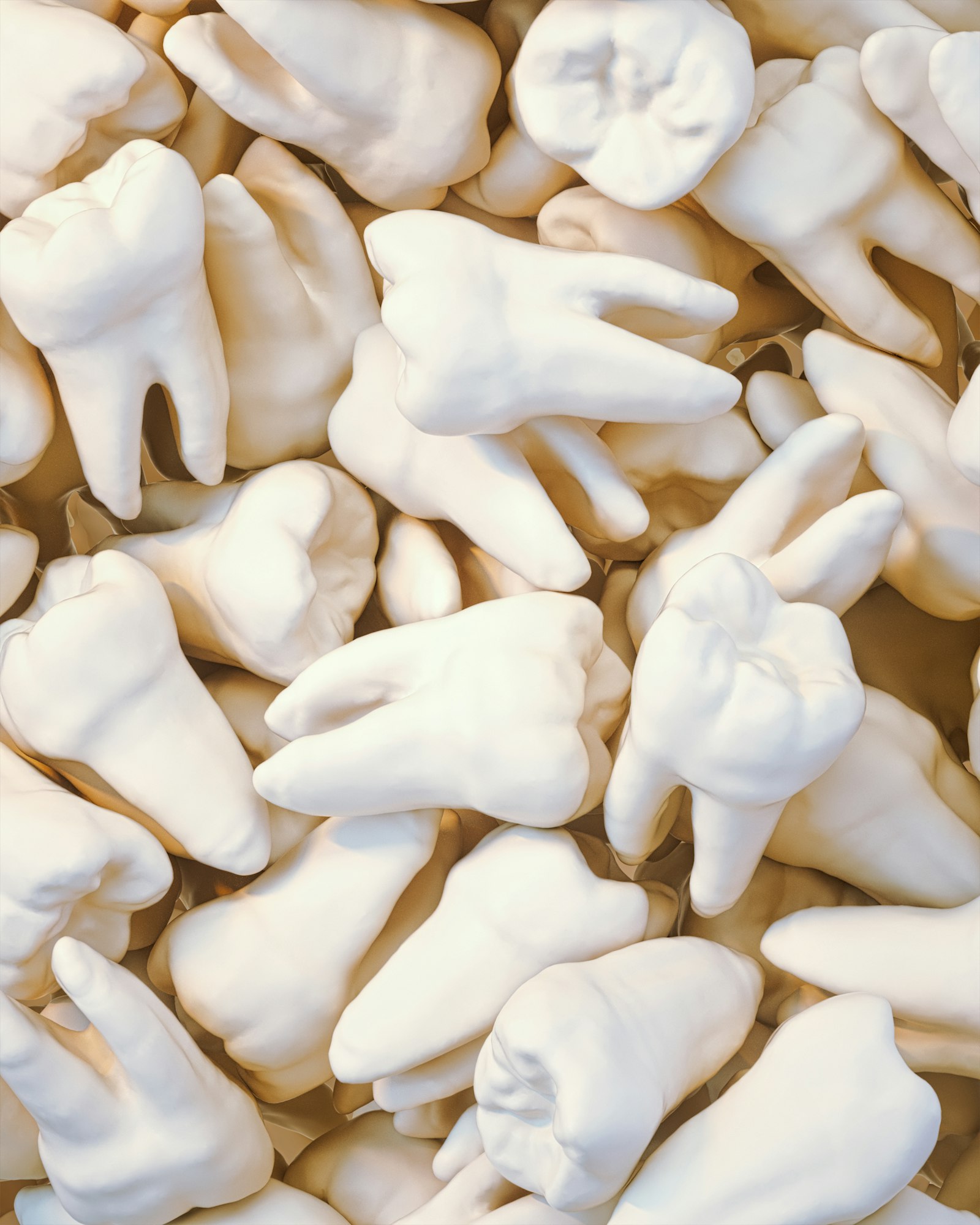
You bite into something perfectly ordinary, a sandwich, a crisp, a bit of pasta, and a quick sharp pain jumps up from one tooth before fading away again. The confusing part is that there's no cavity anyone can see, so it feels like a mystery, and mysteries in your mouth have a way of keeping you up at night.
Take a breath, because this is one of the most common puzzles we help people solve, and it usually has a very ordinary explanation. Let's walk through what's most likely going on, why it does that odd bite-and-release thing, and how to tell whether it's a wait-and-see or a get-it-looked-at.
The Most Likely Culprit: A Tiny Crack
When a tooth hurts on biting but looks healthy, the usual answer is a hairline crack, so small it doesn't show up to the naked eye and sometimes not even on a normal X-ray. Dentists call this cracked tooth syndrome, and the name sounds scarier than the thing usually is.
Here's why it produces that exact bite-then-release pain, which is the real giveaway. Think of the tooth as having a fine split running through it, like a barely-there crack in a windscreen. When you bite down, the two sides of the crack flex apart a whisker, and the moment you let go they snap back together, and that tiny movement tugs on the living nerve inside. That's the little jolt you feel. It often shows up worst on chewy or hard foods, and sometimes with a zing of cold, because the crack gives the temperature a shortcut to the nerve. We go through what happens next in our guide to cracked tooth treatment in the UK, and the reassuring headline is that caught early, a cracked tooth is very often saved with something simple like a crown that holds it together.
The Other Usual Suspects
A crack is the headline act, but a few other things cause the very same "ouch on biting, no obvious hole" story, so let's give them their moment too.
A filling that sits a touch too high. If your pain started soon after having a tooth filled, the filling may just be a hair proud of the others, so that tooth takes the first hit every time you close. It's a quick fix, a gentle adjustment to smooth the bite down, and we cover the whole thing in tooth pain after a filling. Nothing's gone wrong, the bite simply needs balancing.
The gum or ligament around the tooth is irritated. Every tooth is slung in its socket by a little hammock of fibres called the periodontal ligament, and if that gets inflamed, from a food trap, a knock, or a spell of heavy grinding, the tooth feels bruised and tender to press on. It's the same sort of ache as a stubbed toe: the tooth itself is fine, the cushion around it is sore.
Grinding and clenching. If you grind your teeth at night, and plenty of people do without knowing, you can wake up with teeth that feel sore and jumpy to bite on, because they've had hours of pressure. Easing that off often settles the whole thing down.
The nerve inside is unhappy. Sometimes bite pain is the nerve inside the tooth flagging that it's inflamed or struggling, which can follow an old deep filling or a past knock. If it tips over into a lingering, throbbing ache rather than a quick twinge, that's a sign the inside needs attention, and our page on the signs a tooth's nerve is in trouble walks through what to look for.
Why It Comes And Goes (And Why That's Not a Reason to Ignore It)
One thing that trips people up is that this pain is often intermittent. It behaves for days, then a certain bite sets it off again, and the on-off nature makes it easy to keep putting off. That's completely understandable, but here's the gentle nudge: a small crack tends to spread with time, the way a windscreen chip creeps into a line if you leave it.
And this is the genuinely good news. Caught while it's tiny, a cracked tooth is usually a straightforward save. Left until the crack runs deep, it can reach the nerve and turn into root canal treatment or, if it splits far enough, the loss of the tooth. So the early, cheap, easy version is very much the one you want, which is the whole reason we'd rather see you sooner than later.
When to Get It Seen, Calmly
Most of the time, a twinge on biting is uncomfortable rather than urgent, so please don't panic. That said, a few signals are worth acting on promptly rather than sitting on:
Pain that's turned from a quick flick into a constant, throbbing ache, especially if it keeps you awake or wakes you up, suggests the nerve is now involved and wants looking at soon. Any swelling of the gum or face near that tooth, a bad taste, or a small bubble on the gum points to infection, and that's a same-week job, not a someday one, which our note on the signs a tooth infection is spreading explains plainly. And a tooth that suddenly feels loose or that you can't bite on at all deserves a prompt look.
Short of those, you're most likely dealing with a small, fixable thing that simply benefits from being caught early.
The Sensible Next Step
Because the cause is genuinely hard to pin down from the outside, and even a normal X-ray can miss a hairline crack, the real answer is a proper hands-on look with the right tests: a tap here, a bite on a little wedge there, to find the exact tooth and what it's doing. That's exactly what our £20 emergency and assessment appointment is for, X-rays included, and you'll leave knowing what's actually going on rather than guessing at 2am.
In the meantime, be kind to that tooth. Chew on the other side, go easy on very hard or chewy foods, and if you suspect grinding, that's worth mentioning when you come in.
The Short Of It
A tooth that hurts on biting with no cavity to blame is usually a tiny crack, sometimes a high filling, an irritated ligament, grinding, or a grumbly nerve, and almost all of these are far more fixable while they're small. The bite-and-release twinge is your tooth giving you an early heads-up, which is really rather helpful of it.
So take it as the friendly warning it is, and let us have a proper look before a small thing gets the chance to become a bigger one. Catch it early and, more often than not, the fix is simple and the worry disappears with it.
Toothache that won't quit? Seen today.
£20 books an emergency appointment, today. Your dentist gets to the root of it and treats it where clinically possible in the same chair. That is when the pain stops.
Or see every emergency treatment, with prices →