Dental Implants
Can You Get Dental Implants With Low Bone Density or Osteoporosis?

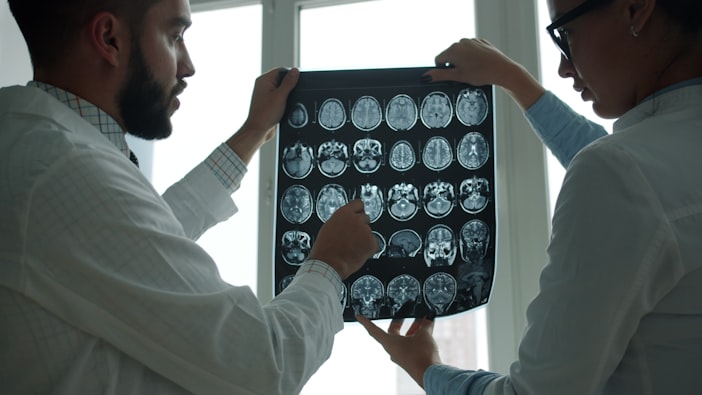
If you've been told you have thin jawbone, or you're living with osteoporosis, and someone once mentioned that implants "need good bone," it's easy to quietly cross them off your list. Please don't, not yet: for the great majority of people in exactly your position, dental implants are still very much on the table.
We say that with confidence because working around low bone density is one of the most well-trodden parts of modern implant dentistry. So let's clear up the worry properly: why bone matters, what osteoporosis really does and doesn't mean here, and the clever, everyday ways we build a solid foundation even when bone is in short supply.
First, Why Bone Matters at All
An implant is a small titanium post that takes the place of a missing tooth's root, and the jawbone grips it and heals tightly around it, a process called osseointegration. Picture a fence post set into the ground: the more firm earth around it, the more solidly it stands. That's all bone density is doing here, giving the post something dependable to hold on to.
So when bone is thin or soft, the question isn't really "can I have an implant," it's "how do we make sure it's well anchored." And that is a question with plenty of good answers, which is the whole reason a thin-bone diagnosis is a planning point rather than a full stop. We explain the bone side of things in more depth in our guide to dental bone loss treatment.
Osteoporosis Doesn't Automatically Rule You Out
This is the big one, so let's meet it head-on. Osteoporosis makes bone throughout the body less dense, and it's natural to assume that must be a deal-breaker for something that relies on bone. Reassuringly, the research and the everyday experience of implant dentists point the same way: many people with osteoporosis get implants that heal and last perfectly well.
Two things soften the worry. First, the jaw often holds up better than you'd fear, and it's assessed on its own with a proper scan rather than judged by your hip or spine. Second, it simply means more careful planning: a longer, gentler healing time, and attention to any bone-strengthening medication you take, since a particular family of those drugs deserves a proper chat before surgery. None of that is a reason to give up on implants, it's just a reason to have them done somewhere that plans thoughtfully.
The Clever Ways We Build a Foundation
Here's the genuinely encouraging part. When there isn't quite enough bone to work with, dentistry has a whole toolkit for creating or working around it, and these are routine, not exotic. Let's go through the main ones.
Bone grafting. This tops up the bone where it's lacking, adding material that your body gradually turns into your own solid bone, a bit like laying good topsoil so something can take root. Once it's healed, the implant goes in with plenty to grip. It's a common, well-understood step, and we lay out how it works and what it costs in our bone grafting for implants guide.
All-on-4. When a whole arch of teeth is being replaced, this approach uses just four implants angled cleverly to catch the areas where your bone is naturally strongest, often sidestepping the need for grafting altogether. A full fixed set of teeth on four well-placed posts is a wonderful option for many people with reduced bone, and our page on All-on-4 dental implants walks through it.
Mini implants. These are narrower posts that fit where a standard implant might not, so they can suit thinner ridges of bone. You can read more in our mini dental implants guide.
Zygomatic implants. For severe upper-jaw bone loss, these longer implants anchor into the strong cheekbone instead, giving people a fixed solution even when the jaw itself has very little to offer. We cover them in our zygomatic implants guide.
The point of listing all these isn't to blind you with options, it's to show you just how many roads lead to "yes." Whatever your bone is doing, there's very likely a route that works.
What It Costs
At UrgentCare Dental, single dental implants are £1,999 each, and where extra steps like a bone graft are needed, they're quoted clearly on top after we've actually seen your scan, never sprung on you. Full-arch solutions like All-on-4 are priced individually because they depend so much on your particular jaw, which is exactly why an assessment comes first.
Because implant treatment is a real investment, we make it easier to carry. On treatment over £500 you can spread the cost over 12 months at 0% interest, and longer plans of up to 60 months are available at 12.9% APR representative, just to illustrate how much smaller the monthly figure becomes when you stretch it out.
The First, Simplest Step
Everything here really turns on one thing: an actual look at your bone. A scan shows exactly how much you have and where it's strongest, and from that a clear, honest plan falls out, whether that's a straightforward implant, a graft first, or an All-on-4 that works with what you've got.
That's what our £20 assessment appointment is for, X-rays included. You'll leave knowing where you truly stand instead of guessing from a scary half-memory of something a dentist once said. If longevity is on your mind too, our honest look at implant success and failure rates is worth a read, and it's more reassuring than you might expect.
The Short Version
Low bone density and osteoporosis are planning points, not closed doors. Between bone grafting, All-on-4, mini implants and zygomatic implants, modern dentistry has a reliable way to give an implant something firm to hold, and plenty of people in exactly your shoes end up with fixed, comfortable teeth they'd long since assumed were off-limits.
So before you write implants off, let us take a proper look at your bone and tell you the truth about your options. The odds of a real, workable "yes" are far better than the worry would have you believe.
Want the real number for your case?
An article can only give you a range. The £20 appointment gets you a fixed quote from a dentist who has actually looked. Extractions from £199, implants £1,999, and 0% finance on treatments over £500.
Or see every price on one page →