Root Canal
NHS Dentist Won't Do Your Root Canal? Here's Why and What to Do


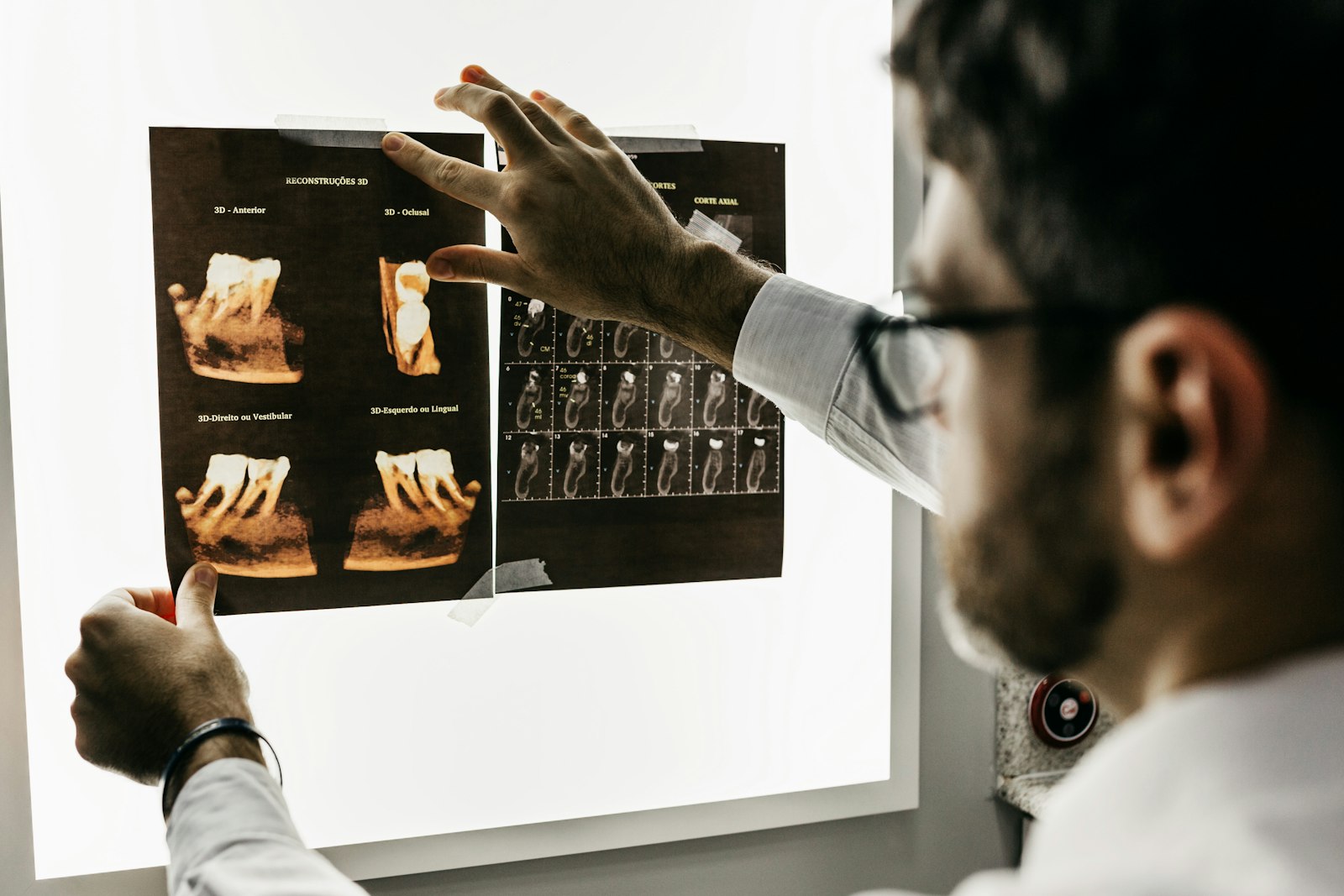
If you've been told that your dentist won't do your root canal, especially on a back tooth, and you're being sent elsewhere, it's easy to feel a bit brushed off and unsure what it means. Here's the reassuring truth up front: this is a very common situation, it's rarely anything to do with the state of your tooth, and there's a clear, quick way to get it treated.
We'll explain honestly why root canals on molars often get referred on, what your options actually are, and what treatment costs so there are no nasty surprises. The goal is simple: to take a confusing moment and turn it into a clear next step, so your tooth gets saved and your worry settles.
Why a Root Canal Gets Referred On
Let's clear up the mystery, because the reason is far more practical than personal. A root canal on a molar is one of the fiddliest jobs in all of dentistry. Your back teeth have several narrow, curved canals hidden inside them, sometimes three or four, and each one has to be found, cleaned and sealed perfectly. It's delicate, time-consuming work that often calls for a microscope and specialist tools, a bit like fixing a tiny watch mechanism rather than a big obvious repair.
Because of that, plenty of dentists choose to refer complex molar root canals to someone who does them day in, day out, whether that's a colleague with a special interest or a root canal specialist called an endodontist. It's honestly a good sign when a dentist does this, not a bad one, because it means they'd rather your tricky tooth was done thoroughly by the right hands than rushed. So if you've been referred, read it as care, not a fob-off, and know it happens to lots of people every week.
What This Means for You
Here's the practical upshot, and it's better news than it first feels. Your tooth is still very much saveable, which is the whole point of a root canal in the first place. Being referred doesn't mean anything has gone wrong or that your options have shrunk. It simply means the treatment will be done by someone set up to do that particular job well, and the outcome is a tooth you get to keep rather than lose.
The main thing that changes is that the treatment moves to a private route, and that's often where people feel wrong-footed, because they hadn't planned to spend on it. That's a completely fair thing to feel, so let's deal with it head-on and talk plainly about what it costs and how it works, so you can make a calm decision rather than a panicked one.
Getting It Done Privately, Without the Wait
The upside of the private route is that it's usually quick and straightforward to arrange, which matters a lot when a tooth is nagging at you. There's no long queue to join, you can be seen promptly, and a root canal is a routine, well-practised treatment for us. At UrgentCare Dental, root canal treatment starts from £399, and we'll always tell you the full picture for your particular tooth before anything begins, so you know exactly where you stand.
One thing worth knowing is that a tooth that's had a root canal, particularly a molar, often benefits from a crown afterwards to protect it, since a treated back tooth can become brittle over time. We'll talk you through whether yours needs one rather than assuming, because your tooth should drive the plan, not a script. And if the combined treatment comes to over £500, it can be spread with 0% finance over 12 months, which makes saving the tooth far easier to manage than a single lump sum.
Is It Worth Saving the Tooth at All?
This is a fair question to ask, especially when there's a cost attached, so let's answer it honestly. For most people, keeping your own natural tooth is the best outcome by a good margin. A root canal lets you hold on to a tooth that would otherwise need pulling, and nothing quite replaces the real thing for comfortable, natural biting. We weigh this up properly in our guide to root canal versus extraction, which is worth a read if you're torn.
The alternative to saving it is removing it, and while extraction is sometimes the right call, it leaves a gap that often wants filling later with an implant or bridge, which brings its own cost and steps. So more often than not, the root canal is both the tooth-saving and the sensible-money choice in the long run. That said, we'll never push you one way, we'll lay out the honest options for your specific tooth and let you choose.
Does a Root Canal Even Hurt?
Since we're being reassuring, let's tackle the fear that lurks behind this whole topic. Root canals have a dreadful reputation that they simply don't deserve any more. With modern numbing, the treatment itself feels much like having a filling, and its whole job is to end the pain of an infected tooth, not cause it. We go into this properly in our honest look at whether a root canal hurts, and the short version is that most people are pleasantly surprised.
So if part of your hesitation was dread of the treatment, let that ease. The tooth that's been throbbing is the thing hurting you, and a root canal is what quiets it down for good. If you're especially nervous, we can talk about ways to keep you comfortable, because being anxious about the dentist is common and nothing to be embarrassed about.
Your Questions, Answered
Can a dentist refuse to do a root canal?
Yes, and it's more of a referral than a refusal in most cases. Complex molar root canals are intricate work, and many dentists sensibly pass them to a colleague or specialist who does them all the time, which usually means a better result for your tooth. It's a normal part of how dentistry works, so being referred isn't a reflection on you or a sign your tooth can't be saved.
Why won't my dentist do a root canal on my back tooth?
Because back teeth have several narrow, curved canals that make the treatment far trickier and more time-consuming than on a front tooth, often needing a microscope and specialist tools. Rather than rush a difficult job, many dentists prefer to refer it to someone set up to do it thoroughly. It's a quality decision, and your tooth is still very much treatable.
How much does a private root canal cost?
At UrgentCare Dental, root canal treatment starts from £399, and we'll give you the exact figure for your tooth before we begin. A treated molar often benefits from a protective crown afterwards, which we'll discuss honestly rather than assume. If the total comes to over £500, it can be spread with 0% finance over 12 months to make it more manageable.
Should I just have the tooth taken out instead?
Sometimes extraction is the right call, but for most people keeping the natural tooth with a root canal is the better long-term choice, both for comfortable biting and because a gap often needs filling later anyway. We'll weigh up your specific tooth honestly and let you decide, never pushing you toward one option over the other.
The Short Version
Being told your root canal can't be done in-house and you'll be referred out is common, sensible, and usually a sign your dentist wants your tricky tooth done properly. It moves the treatment to a private route, and the good news is that's quick to arrange, and your tooth is still very much saveable.
At UrgentCare Dental we do root canals routinely from £399, with honest advice on whether a crown is needed and finance available if the total goes over £500. If you've been referred and just want it sorted, book our £20 emergency and assessment appointment, which includes X-rays, and we'll show you exactly what your tooth needs and get you comfortable again.
Want the real number for your case?
An article can only give you a range. The £20 appointment gets you a fixed quote from a dentist who has actually looked. Extractions from £199, implants £1,999, and 0% finance on treatments over £500.
Or see every price on one page →