Dental Implants
Single Tooth Implant Cost 2027: £1,500-£3,500 Explained

You've lost a tooth. Maybe it cracked on a popcorn kernel, maybe it finally gave up after years of root canals. Doesn't matter. What matters is the quote sitting in front of you: £2,500 for a single dental implant.
That number probably came as a shock. But here's what you've already discovered if you've called around: single tooth implants in the UK cost anywhere from £1,500 to £3,500. The average patient pays £2,200-2,500. Those are the real numbers for 2027.
So here's the short version, the one worth keeping in your head while you gather quotes: a single tooth implant in the UK runs £1,500 to £3,500, and most people land at £2,200 to £2,500 once the screw, the abutment and the crown are all counted together. At UrgentCare Dental a single implant is £1,999, which sits comfortably below that national average. Everything past this point is really about one question: what creates that £2,000 gap, so you can work out which end of it your own quote belongs at.
Here's how the main options line up at a glance:
| Option | Typical price | What it usually covers |
|---|---|---|
| Cheapest UK (small towns) | £1,500-£2,000 | Often the implant and surgery, with the crown sometimes billed later |
| UK average | £2,200-£2,500 | The implant, abutment and crown together |
| Turkey / dental tourism | £400-£700 | A low sticker price, but the follow-up care is abroad |
| UrgentCare Dental | £1,999 | The CT scan, surgery, planning and final crown |
What You're Actually Buying
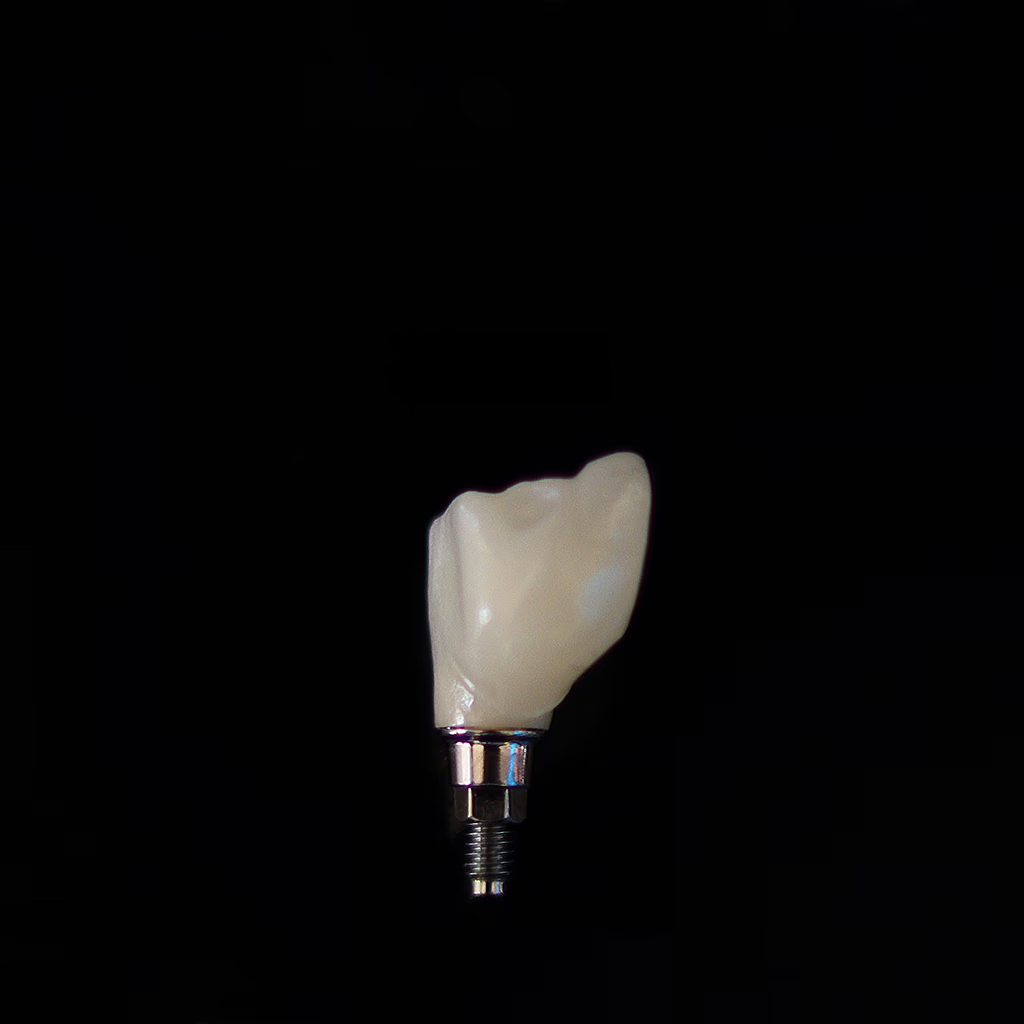
A dental implant isn't one thing. It's three things, and clinics price them differently.
First: the titanium screw that goes in your jaw (£400-800). Second: the abutment that connects everything (£200-400). Third: the crown that looks like a tooth (£600-1,200).
Some clinics bundle everything at £2,200. Others quote £1,500 for the implant and surgery, then hit you with another £800 for the crown later. Same total, different psychology.
The surgery itself takes 30-45 minutes. The healing takes 3-4 months. Then another appointment to fit the final crown. That's the timeline nobody mentions upfront.
Why Prices Vary by £2,000
Here's what actually drives the spread:
Location kills your wallet. Harley Street charges £3,000-3,500. Same implant, same technique, but you're paying for the postcode. Manchester runs £2,200-2,600. Birmingham, Leeds, Newcastle – they hover around £2,000-2,400. Small towns can drop to £1,500-1,800 if you find the right practice.
The implant brand matters less than clinics pretend. Nobel Biocare (the Swiss one) adds £300-400 to your bill. Straumann (also Swiss) adds £200-300. Korean brands like Osstem or Megagen work identically but save you £400-500. The success rates are within 1-2% of each other.
Specialist markup is real. An oral surgeon or periodontist charges £2,800-3,500. A general dentist with implant training charges £1,800-2,400. The specialists have fancier degrees. The outcomes? Virtually identical for straightforward single implants.
The Hidden Extras That Double Your Bill
That £2,200 quote? It assumes you have enough bone. You might not.
Bone grafts add £400-800. Happens in about 30% of cases. They pack cow bone or synthetic granules where your tooth was. Sounds worse than it is.
Sinus lifts for upper teeth add £800-1,200. Your sinuses drop when you lose upper teeth. The surgeon needs to push them back up and pack bone underneath. Happens in 20% of upper implants.
Sedation adds £300-500 if you can't handle the thought of someone drilling into your skull while you're awake. Most people are fine with local anesthetic. The drilling sounds worse than it feels.
CT scans add £150-250 unless they're included. Most clinics include them now. Some still charge separately because they can.
The Extraction Problem
Still got the dead tooth in there? Add £150-350 for extraction.
Here's the kicker: some clinics want you to extract, heal for three months, then place the implant. Others extract and place simultaneously. Same long-term success rates, but immediate placement saves you three months and a surgery.
Not every case suits immediate placement. Infections need clearing first. But if you're suitable, why wait?
What Three Months of Healing Actually Means
After they drill the implant in, you wait. Three to four months. The bone grows into the titanium surface – they call it osseointegration.
You're not toothless during this time. They give you a temporary solution: a flipper (basically a retainer with a fake tooth), a temporary crown on the implant (if the bone's solid enough), or you just live with the gap if it's not visible.
The temporary crown on implant option adds £300-400 but means you look normal immediately. Worth it for front teeth. Back teeth? Save your money.
Payment Structures and Finance Reality
Nobody expects you to have £2,500 lying around. Here's how people actually pay:
Most clinics split it: £1,500 for implant placement, then £800-1,000 for the crown three months later. Natural payment plan, no interest.
Finance companies offer 0% for 12 months on amounts under £3,000. After that, it jumps to 9.9% APR. A £2,500 implant over two years at 9.9% means £111 monthly payments.
Some clinics do in-house payment plans. Usually 50% upfront, rest over 6 months. No interest but they'll want good credit.
The Cheaper Alternatives and Why They're Not
A bridge costs £1,200-1,800. Sounds cheaper until you realize it destroys the healthy teeth either side. Those teeth fail eventually. Now you need three implants instead of one. False economy.
Dentures for a single tooth (a flipper) cost £400-600. They move when you eat. They feel like plastic in your mouth because they are. They need replacing every few years. Twenty years of flippers costs more than one implant.
Doing nothing costs nothing financially. But the other teeth drift into the gap. Your bite changes. Your jaw bone disappears where the tooth was. The adjacent teeth take more force and fail faster. The free option becomes the expensive option.
Geographic Price Reality
| Location | Price Range |
|---|---|
| London Zone 1-2 | £2,800-3,500 |
| London suburbs | £2,400-2,800 |
| Manchester | £2,200-2,600 |
| Birmingham | £2,000-2,400 |
| Leeds | £2,000-2,400 |
| Liverpool | £1,900-2,300 |
| Newcastle | £1,900-2,300 |
| Glasgow | £1,800-2,200 |
| Edinburgh | £1,900-2,300 |
| Cardiff | £1,800-2,200 |
| Belfast | £1,700-2,100 |
| Small cities/towns | £1,500-2,000 |
These aren't random. They track commercial property costs and local wages perfectly.
Our own price doesn't follow the postcode. A single implant is £1,999 with the crown included at every one of our clinics, and our Leeds, Manchester and Northampton implant pages show what that covers and where you'd have it done.
Turkey Teeth and Why People Risk It
Turkey offers single implants for £400-700 including the crown. Hungary charges £800-1,200. Poland runs £700-1,000.
The implant components cost the same worldwide. They're saving on labor and property costs, not materials. The surgery's usually fine. The problems come later.
When that £500 Turkish implant fails two years later, UK dentists charge £3,000+ to fix it. They need to remove the failed implant, graft bone, wait six months, then place a new implant. You've saved negative money.
But 80% of dental tourists have no problems. That's the gamble. Good odds, catastrophic downside.
Same-Day Implant Claims
Some clinics advertise "tooth in a day" for single implants. They can do it, sometimes.
If the bone's perfect and the implant locks in tight (35+ Ncm of torque for the technical types), they can put a temporary crown immediately. Looks normal, feels okay, but you can't bite properly for three months.
Most cases don't suit immediate loading. The implant needs time to integrate without force on it. Clinics pushing same-day teeth on everyone are pushing their luck and yours.
Quality Differences That Actually Matter
The implant surface treatment affects integration speed. Modern surfaces (SLA, SLActive, TiUnite) integrate in 6-8 weeks versus 12-16 weeks for older machined surfaces. Faster integration means faster final crown. Worth asking about.
Digital versus analog impressions matter for crown fit. Digital scanning creates better-fitting crowns with fewer adjustments. Clinics with scanners usually charge the same as those using goop impressions. Why suffer?
The crown material matters long-term. Porcelain-fused-to-metal costs less (£600-800) but can show metal at the gum line eventually. All-ceramic or zirconia costs more (£900-1,200) but looks natural forever. Front teeth deserve zirconia. Back teeth, your choice.
Maintenance Costs Nobody Mentions
Implants need professional cleaning every 6 months, just like real teeth. £100-150 per visit. The crown lasts 10-15 years before needing replacement at £800-1,200. The implant itself should last decades if you don't get gum disease.
Some clinics include lifetime cleaning in premium packages. Costs £500-800 more upfront but saves money if you stick with them.
Frequently Asked Questions
How much is a single tooth implant in the UK?
A single tooth implant costs £1,500 to £3,500, and most people pay £2,200 to £2,500 for the full job of implant, abutment and crown. The reason for that big spread is mostly location and who places it, because the titanium screw itself costs much the same everywhere. At UrgentCare Dental a single implant is £1,999, which sits below the national average because our overheads in Leeds, Manchester and Bradford are lower than a practice paying central-London rent.
Does the implant price include the crown?
Sometimes, and this is the thing to pin down before you compare quotes. An implant is really three parts: the screw in your jaw, the abutment that connects everything, and the crown that shows when you smile. Some clinics bundle all three into one number, while others quote you a lower figure for the surgery and then add the crown a few months later, so two quotes that look hundreds of pounds apart can end up at exactly the same total. Always ask what the number actually covers.
Why do single implant prices vary so much?
Three things move the price more than anything else: where the practice is, which implant brand they use, and whether a specialist or a general dentist places it. A Harley Street postcode adds a fortune for the same procedure, premium brands like Nobel Biocare add a few hundred pounds, and an oral surgeon charges more than a trained general dentist even though the outcome for a straightforward single tooth is much the same. We dig into all of it in our guide on why implant prices vary so much.
Can you get a single tooth implant in a day?
Sometimes you can, but it depends on your bone. If the bone is solid and the implant locks in tightly when it's placed, the dentist can fit a temporary crown the same day so you leave with a tooth in the gap. If the bone needs time to grow around the implant first, rushing it risks the whole thing, so it's worth being a little wary of any clinic that promises same-day teeth to everyone regardless of their situation.
What's the cheapest way to replace a single missing tooth?
Over a few years the implant often works out cheapest, which surprises people. A denture or flipper is the lowest price today at £400 to £600, and a bridge sits around £1,200 to £1,800, but the flipper needs replacing every few years and the bridge relies on filing down the healthy teeth either side, which can shorten their life. When you add up twenty years of replacements, the lifetime cost of dentures versus implants tends to close right up, and the cheapest implant that's genuinely all-in can be the better buy in the long run.
Are cheap implants in Turkey worth it?
For plenty of people they go perfectly well, and Turkish clinics offering single implants for £400 to £700 are often modern and well run. The catch is that an implant heals over three to six months, and if something needs adjusting in that window your dentist is a flight away, with UK practices often reluctant to take on work they didn't plan. So the honest comparison isn't just the sticker price, it's the sticker price plus the value of having someone twenty minutes down the road, which is the trade-off we lay out in full on dental implants abroad.
Making the Decision
Single implants make sense when you've lost one tooth and the adjacent teeth are healthy. They preserve bone, feel like real teeth, and last decades.
The £2,200 average UK price sounds insane until you math out the alternatives. Bridges wreck healthy teeth. Dentures feel like dentures. Doing nothing wrecks everything else.
Most patients who get implants say the same thing: "I wish I'd done it sooner." Not because they love spending £2,500, but because living with a proper tooth again is worth more than the money.
The real question isn't whether £2,500 is too much for a tooth. It's whether you can afford not to replace it properly. Your jaw bone is disappearing by the month. Your other teeth are taking extra force. The price only goes up as the bone disappears and complications mount.
Get the consults. Get the quotes. Understand what's included. Then make the call. The longer you wait, the more bone you lose, the more the eventual fix costs.
Want the real number for your case?
An article can only give you a range. The £20 appointment gets you a fixed quote from a dentist who has actually looked. Extractions from £199, implants £1,999, and 0% finance on treatments over £500.
Or see every price on one page →