Emergency Dentistry
Dental Abscess Emergency Treatment: What Happens and What It Costs


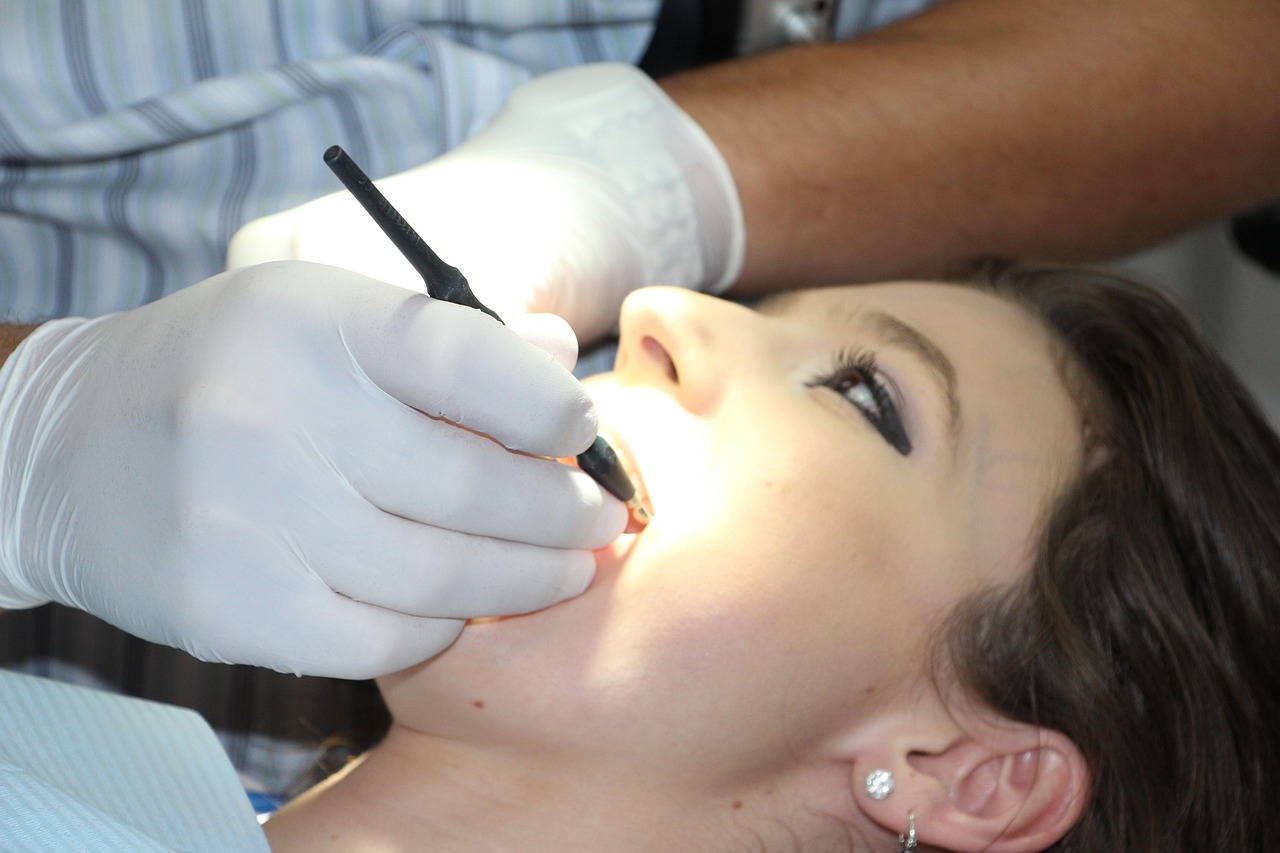
So you're up at 2am with this throbbing in your jaw, and you're googling, and everything you're reading sounds a bit scary. Infection. Spreading. Emergency.
Here's what nobody tells you first: the relief comes fast.
Like, surprisingly fast. The moment the pressure gets released, people describe the pain just... leaving. That throbbing that's been keeping you up? It can ease within minutes of treatment. Minutes!
And here's something wonderful about what your body's actually doing right now. That swelling, that pressure? It's your immune system being clever. It's building a tiny wall around the infection, sealing it off, keeping it contained. Your body made a little fortress to protect you.
The only trouble is, your body can't clear what's trapped inside that fortress on its own. It needs a bit of help. That's what treatment does.
If you're sitting there right now trying to gauge how urgent this is, our run-through of what to do in a dental emergency, and what it costs walks through the warning signs that mean you should be seen straight away, alongside the calmer steps and honest prices for everything else.
The short version: a dental abscess is trapped infection that needs a dentist to drain it, and the wonderful part is how fast the relief comes once that pressure is released, often within minutes. A private emergency appointment to have one drained runs about £75 to £150 at most UK practices; at UrgentCare Dental the emergency appointment is £20, with any treatment on top.
Here's how the costs tend to look, so you can see roughly where you'd stand before you ring anyone:
| What you might need | Typical UK price | At UrgentCare Dental |
|---|---|---|
| Emergency appointment to drain an abscess | £75–£150 | £20, treatment on top |
| Root canal to save the tooth afterwards | quoted after an X-ray | From £399 per canal |
| Taking the tooth out instead | quoted after an X-ray | £149 for a simple extraction |
| Removal with IV sedation if anxiety's the barrier | quoted after an X-ray | £695 all in |
What's Actually Going On In There
An abscess is essentially a pocket of pus that forms when bacteria get somewhere they shouldn't be. Maybe decay worked its way deep into a tooth over time. Maybe an old filling failed and let bacteria slip through. Maybe a crack in the tooth from years ago finally let something in.
However it started, bacteria reached the soft tissue inside your tooth, the pulp, where all the nerves and blood vessels live. Your immune system responded exactly the way it should: it sent white blood cells rushing to the area to fight the invaders. The battle between your immune cells and the bacteria creates pus, and that pus needs somewhere to go.
So your body does something rather brilliant. It walls the whole thing off. It creates a sealed pocket, an abscess, that keeps the infection from spreading to the rest of you. The fortress holds.
But sealed pockets keep filling. The pressure builds. Every heartbeat sends another pulse of pain through the area because there's nowhere for that pressure to release. Your body did its job containing the threat, but now it's stuck. The bacteria inside the pocket keep multiplying in their warm, sealed environment, and your immune system can't get in there to finish them off.
That's why an abscess won't resolve on its own, even if the pain seems to ease sometimes. The infection is still there, still growing, still waiting. Sometimes an abscess will rupture on its own, releasing a rush of foul-tasting fluid into your mouth, and the pain drops dramatically. People sometimes think this means it's healing. It's not. The source is still there, and a new pocket will form.
The good news is that once that pocket is properly drained and cleaned, your immune system can finally do what it's been trying to do all along.
What Actually Happens During Treatment
When you arrive for an emergency dental appointment, there's usually a moment of assessment first. The dentist looks at where the swelling is, feels around the area, maybe takes an X-ray to see what's happening beneath the surface. They're working out exactly where the infection is sitting and what caused it in the first place.
Then comes the part everyone's been waiting for: drainage.
The dentist numbs the area thoroughly, because nobody wants to feel this bit, and makes a small incision into the abscess. The pressure that's been building releases. The pus drains out. And people describe this moment with something like wonder in their voices, the pain that's been dominating their whole world for days just... stops. Not gradually. Not over hours. The throbbing stops because the pressure causing it is gone.
After the initial drainage, the dentist flushes the area with saline solution, washing out as much of the infection as possible. This gives your immune system a clean slate to work with. The bacteria that were multiplying in that sealed pocket are now exposed, and your body can finally deal with them properly.
The whole process often takes less than half an hour. You walk in with a face full of pressure and pain, and you walk out feeling like a different person.
Now, drainage is emergency stabilisation. It gets you out of crisis, stops the immediate pain, and gives your body a fighting chance. But it doesn't address whatever caused the abscess in the first place. There's usually a follow-up conversation about what comes next.
If the infection started inside the tooth, root canal treatment can often save it. This involves clearing out all the infected tissue from inside the tooth, cleaning the canals thoroughly, and sealing everything up so bacteria can't get back in. It's more involved than drainage, usually taking one or two additional appointments, but it lets you keep your natural tooth.
Sometimes extraction makes more sense, particularly if the tooth was already damaged or if the infection has been going on for a long time. Removing the tooth removes the source of the problem entirely. It's a simpler path in some ways, though it leaves a gap that might need addressing later with an implant or bridge.
The dentist will talk through the options with you once the emergency is handled. There's no pressure to decide anything when you're still recovering from the relief of not being in agony anymore.
What Treatment Costs in 2026
Emergency appointments for abscess treatment at private practices typically run between £75 and £150 during normal hours. That covers the assessment, the drainage, and the immediate relief. For many people, that's all they need to get through the crisis.
At UrgentCare Dental, emergency appointments are £20, with treatment costs on top depending on what's needed. We keep it simple because we know people in pain shouldn't have to worry about complicated pricing.
Evening and weekend appointments often cost more at other practices, sometimes £150 to £350 depending on the time. Middle-of-the-night slots can climb higher still, occasionally reaching £500 at some clinics. Most people find they can wait until morning once they know help is definitely coming and they've got some pain relief on board.
Antibiotics are often prescribed alongside drainage, particularly if there's any sign the infection has started to move beyond the immediate area. Some practices include this in the appointment cost, others dispense with a standard prescription charge.
When it comes to follow-up treatment, root canal work typically ranges from £300 to £800 per tooth. The variation depends on which tooth it is, since molars with multiple roots take longer than front teeth, and how complex the case turns out to be. At UrgentCare Dental, root canal treatment costs are discussed at your follow-up appointment once we can see exactly what's needed.
Extraction is often the more affordable route in the short term. Simple extractions at private practices run from around £149, while surgical extractions for teeth that are more difficult to access cost more, typically up to £549. Our prices sit at the lower end of that range.
If root canal treatment saves the tooth, a dental crown often follows to protect it long-term. Root canal treated teeth can become more brittle over time, and a crown keeps everything strong. These typically cost around £650.
The Economics of Acting Quickly
Here's a pattern that plays out over and over in dental care, and it's worth understanding because it can save you thousands of pounds over time.
Someone has a niggling pain that comes and goes, then the nerve dies and the pain quietens right down, so it feels like the problem sorted itself out. They hope it'll settle. They've got things on, money's tight, a dead tooth can sit there looking fine for months or even years before it says anything. Then one night the pain becomes impossible to ignore.
By now, what started as a small infection has had time to grow. The abscess is larger. The damage is more extensive. What could have been a straightforward drainage and a course of antibiotics now needs root canal treatment. What could have been saved with root canal treatment now needs extracting because the infection has gone too far.
And then there's the gap where the tooth used to be. Neighbouring teeth start shifting into the space over months and years. Chewing becomes less efficient on that side. Eventually an implant or bridge starts looking necessary.
The £75-150 emergency appointment that drains an abscess early is genuinely one of the best investments in dental care you can make. It's not just about stopping today's pain. It's about keeping a small problem from becoming a complicated one.
The research backs this up consistently. Early intervention for dental infections almost always costs less than delayed treatment, often by a factor of ten or more. A £200 solution becomes a £2,000 problem with enough time.
When to Get Seen Today
Most abscesses can wait until morning for treatment, especially once you know help is on the way. There's something about having an appointment booked that makes the pain more bearable somehow. You know there's an end point.
Taking ibuprofen helps more than paracetamol for this kind of pain because it tackles inflammation as well as blocking pain signals. The swelling is putting pressure on nerves, and reducing that swelling helps reduce the pressure. Some people take both paracetamol and ibuprofen together when it's really rough, staggering them so there's always something working. Warm saltwater rinses can help too, drawing some of the fluid toward the surface.
But there are some signs that mean getting seen sooner rather than later. If swelling is spreading toward your eye or moving down your neck, the infection is on the move and needs addressing quickly. Difficulty breathing or swallowing suggests the swelling is starting to affect your airway, which is serious. High fever alongside your dental pain means your body is fighting something that's gone beyond the local area.
These are the moments where A&E is genuinely the right call over a dental appointment. They're rare, but worth knowing about so you can recognise them if they happen.
For everything else, that throbbing and pressure, the pain that woke you up, the tender swelling on your gum, a morning emergency appointment will get you sorted. Book it, take something for the pain, try to rest, and know that relief is genuinely close.
Common Questions About Dental Abscesses
Should I go to A&E for a dental abscess?
Usually not, because a same-day emergency dental appointment is the right place for an abscess: a dentist can actually drain it and clear the source, which a hospital A&E can't do. The exception is when the infection looks like it's spreading, so if swelling is moving toward your eye or down your neck, you're finding it hard to breathe or swallow, or you've got a high fever alongside the toothache, treat that as an emergency and get seen at A&E straight away. Those signs are rare, but they're the ones worth knowing.
What is the 3-3-3 rule for treating a tooth abscess?
It's a simple way people remember how to use ibuprofen for dental pain while they wait to be seen: taking it around three times a day, for no more than three days or so, because keeping a steady level of anti-inflammatory in your system is what holds the swelling (and the pressure behind the pain) down. Always follow the dose on the packet or check with a pharmacist. And it's worth remembering the rule only quiets the pain: it doesn't clear the infection, which still needs a dentist to drain it.
When does a tooth abscess become an emergency?
An abscess is always worth getting seen quickly, because it won't clear on its own. It tips into a "be seen today" emergency when the pain becomes hard to manage, when the swelling starts to spread rather than stay put, or when you notice a fever, trouble swallowing, or swelling reaching toward your eye or neck. Those last few mean the infection is on the move, so you want help sooner rather than in the morning.
What do I do if a tooth abscess bursts?
If it bursts on its own you'll usually taste a sudden rush of salty, unpleasant fluid, and the pain often drops right away as the pressure lets go. That feels like healing, but it isn't: the source of the infection is still there, and a new pocket will simply start to fill again. Rinse gently with warm salt water to keep the area clean, and still book an appointment, because the tooth needs proper draining and cleaning to actually settle for good.
Finding Emergency Care
Most private dental practices keep same-day or next-day slots available specifically for emergencies. Many can see you within hours of calling. It's worth ringing around if your usual dentist can't fit you in, because someone will be able to.
At UrgentCare Dental, we're open around the clock across our Leeds, Manchester and Bradford clinics, with £20 emergency appointments designed exactly for situations like this. We see a lot of abscesses. We know how much they hurt. And we know how good it feels to watch someone's face change when the pressure finally releases.
That relief you're looking for? It's closer than you think.
A swollen face wants a dentist today.
£20 books an emergency appointment at a clinic that never closes. The dentist finds the cause, quotes the exact price, and where clinically possible treats it there and then.
Or see every emergency treatment, with prices →