Toothache
Ibuprofen or Paracetamol for Toothache? The Clear Winner


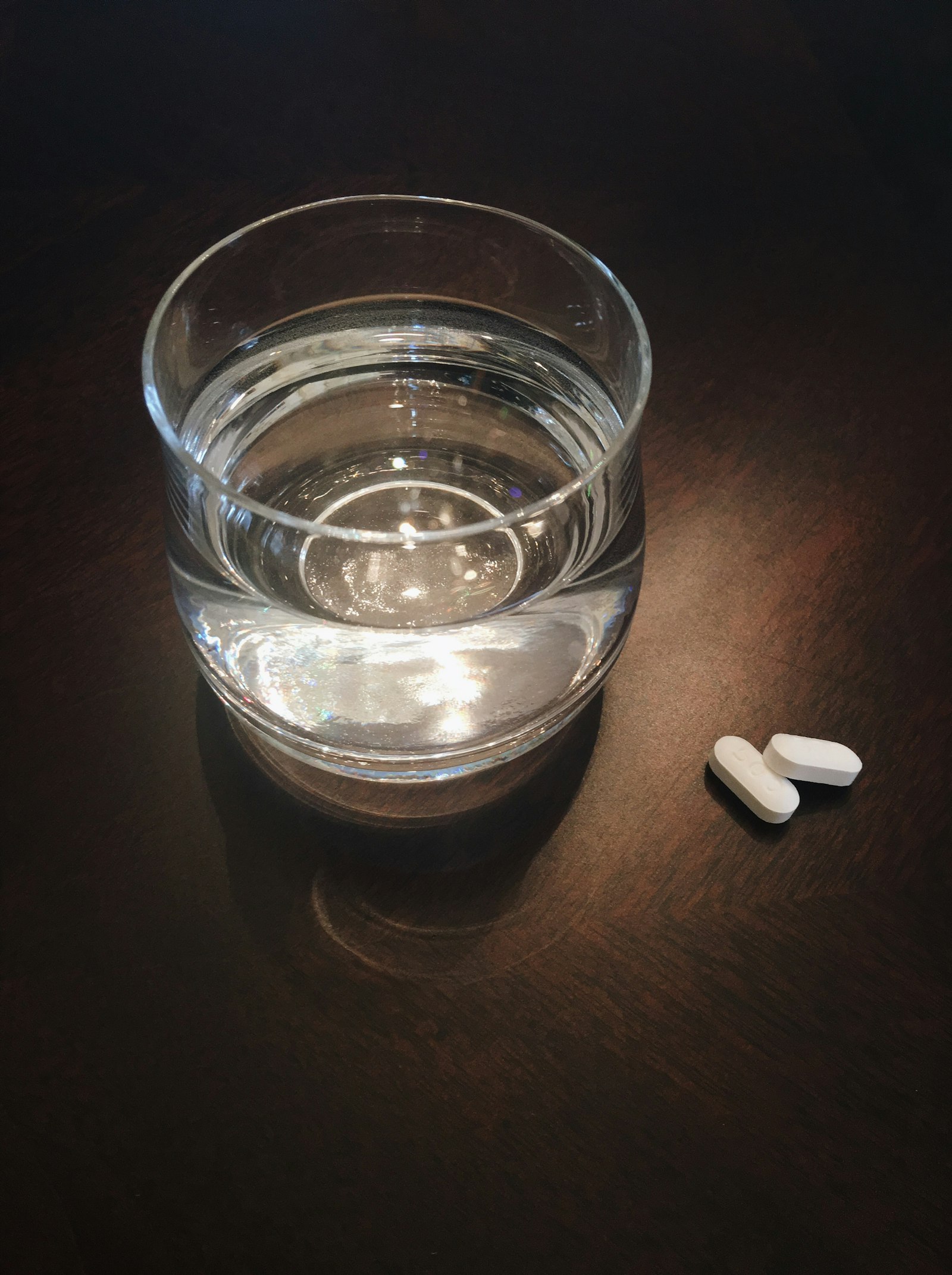
You're standing in front of the bathroom cabinet with a throbbing tooth, a box of ibuprofen in one hand and a box of paracetamol in the other, wondering which one is going to give you your evening back. Good news: there's a clear answer, and the reason behind it is one of those lovely little bits of how the body works that makes everything click.
Ibuprofen Usually Wins, and Here's Why
For most toothache, ibuprofen is the one to reach for first. Now, they're both painkillers sitting on the same shelf, so why one over the other? Let's look at what's going on inside the tooth, because once you see it, the answer feels obvious.
Most tooth pain comes from inflammation. When the soft centre of a tooth, the bit with the nerve in it, gets irritated by decay or a crack or an infection, it does what any part of your body does when it's upset: it swells. Your finger can swell, your ankle can swell, and the skin just stretches a little to make room.
A tooth can't do that. The nerve lives inside a hard shell of tooth with no give in it at all, so when it swells, the swelling has nowhere to go, and it presses on the nerve from the inside.
Think of a foot swelling up inside a tightly laced boot. The foot isn't badly hurt, but the boot won't budge, so every heartbeat pushes it hard against the leather. That's the throb you can feel right now, in time with your pulse.
Ibuprofen is an anti-inflammatory. It helps relieve pain and it brings the swelling down, which is a bit like loosening the laces on that boot. The pressure eases, and the nerve stops being squeezed.
Paracetamol does a fine job of dulling pain too, but it doesn't have that anti-inflammatory action. It turns down how much the boot hurts while leaving the laces exactly as tight as they were. That's why, for a swollen, throbbing tooth, ibuprofen tends to come out ahead.
Curious, isn't it? Two tablets that look almost identical, and the difference comes down to whether they can touch the swelling.
So When Is Paracetamol the Better Choice?
Paracetamol earns its place in a few situations.
Ibuprofen isn't right for everyone. It may not suit you if you have asthma, a stomach ulcer now or in the past, or a heart, kidney or liver condition, and it's best avoided in pregnancy unless a doctor or pharmacist says otherwise. If you're pregnant, paracetamol is usually the best painkiller to use, so that's your one.
There's also the simple case where ibuprofen has disagreed with you before. If that's you, paracetamol is the kinder option, and it still takes a real chunk out of tooth pain.
And if you've been searching for Panadol for toothache, that's the same thing: Panadol is a brand of paracetamol, so everything here about paracetamol applies to it. Likewise, Nurofen is a brand of ibuprofen.
If you're not sure which camp you're in, a two-minute chat with a pharmacist sorts it out. They'll ask about your health and any other medicines you take, and point you at the right box.
Can You Take Ibuprofen and Paracetamol Together?
Yes, adults can take ibuprofen and paracetamol at the same time if they need to, and for tooth pain this is where things get really interesting.
You see, because the two work in different ways, they don't trip over each other. One is loosening the laces while the other is turning down the volume on the pain, so the two of them can share the job.
The usual advice is to try each one by itself first, and if one alone isn't enough, use both. Each has its own packet with its own dose and its own gap between doses, so follow each packet separately and you'll stay safely inside both limits.
The one thing to watch is doubling up on paracetamol without realising. Plenty of other medicines quietly contain paracetamol too, cold and flu remedies being the classic example, and co-codamol, which we'll come to in a moment. So take a quick look at the ingredients on anything else you're taking, and you're set.
What About Naproxen for Toothache?
Think of naproxen as ibuprofen's cousin. It's an anti-inflammatory too, so it works on that swollen, squeezed nerve in the same way, which is why so many people wonder if it's a step up.
Here in the UK, the naproxen you can buy over the pharmacy counter is sold for period pain, and the pharmacist will check it suits you before they hand it over. For toothache, naproxen is one to talk over with a dentist or doctor, who can tell you whether it's right for you.
One thing matters more than anything else with naproxen: never take it at the same time as ibuprofen or aspirin. All three are the same family of medicine, so stacking them raises the risk of side effects like stomach ulcers. Pick one anti-inflammatory, and let paracetamol be its partner if you need one.
Is Co-Codamol the Strongest Painkiller for Toothache?
Co-codamol is what most people mean when they ask for the strongest painkiller for toothache, so it's worth knowing what's inside it.
Co-codamol is two painkillers in one tablet: paracetamol and codeine. The lowest strength is sold in pharmacies, and the stronger versions are only available on prescription.
Now, here's the surprising part. Neither of those two ingredients is an anti-inflammatory. Codeine is an opioid painkiller, which means it works on how you feel the pain, and paracetamol we've already met. So for a tooth throbbing inside its tight boot, "stronger" doesn't always mean "better," because co-codamol still isn't loosening the laces. That's why, for a toothache, ibuprofen can do more than a box with a stronger-sounding name.
If you do use co-codamol, the first thing to know is that you shouldn't take extra paracetamol alongside it. It already has paracetamol inside, so adding a separate paracetamol tablet is how people end up taking too much without ever meaning to.
Keep it short, too. If you've bought it from a pharmacy, don't take it for more than 3 days, because the codeine in it can cause addiction. If you still have pain after that, it's time to talk to a pharmacist or doctor, and for a tooth, it's time to see a dentist. It can also make you sleepy, a bit constipated or a little sick, so if it makes you drowsy, leave the car keys where they are.
It's fine to take co-codamol alongside ibuprofen, which brings in the anti-inflammatory part co-codamol is missing. And if you're wondering what a dentist can give you beyond what's on the shelf, we've written about whether dentists can prescribe pain medication and what that looks like in practice.
Aspirin: Swallow It, Never Hold It on the Gum
Aspirin is in the same anti-inflammatory family as ibuprofen and naproxen, so it can help with tooth pain when you swallow it. It's not for anyone aged 15 or under, though, and like the others in its family, it shouldn't be mixed with ibuprofen or naproxen.
There's also an old remedy that does real harm, so it's worth saying plainly: never press an aspirin against your gum next to the sore tooth. It doesn't soak in and soothe anything. It burns the soft gum, leaving a sore white patch on top of the toothache you already had. Painkillers work from the inside: you swallow them, and your blood carries them round to where they're needed.
If you'd like the gentle at-home extras that pair well with a painkiller, like a cold compress or a warm saltwater rinse, they're all gathered in our guide to the best thing for toothache.
Getting the Most From Your Painkiller
A few small habits make whichever tablet you choose work a lot better.
Take it before the pain peaks. Painkillers have a much easier job keeping pain down than dragging it down once it's roaring, so staying ahead of it, at the times the packet allows, gives you a calmer day than waiting until you're desperate.
Take ibuprofen with or after food, which is kinder to your stomach.
If it's worst the second you lie down, our piece on toothache at night goes into why that happens and how to get some sleep anyway.
And the 3-3-3 rule for toothache is a nice simple way to keep time: manage the pain for a few days, and if it hasn't settled, get the tooth looked at.
Painkillers Buy You Time, and the Dentist Ends It
Here's the thing that makes all of this so much easier to live with. Whichever tablet you pick, it's buying you time. That's a wonderful thing when you're in pain, but the boot is still tight. Whatever made the nerve swell in the first place, whether that's decay, a crack, or an infection, is still sitting there, which is why the throb tends to march straight back as each dose wears off.
So the real answer to "what's the best painkiller for toothache" is the painkiller that gets you comfortably to a dentist. Once the cause is treated, the swelling has nothing left to swell about, and the pain goes and stays gone.
You might also be wondering whether antibiotics would sort it. They're for infection rather than pain, so they help in some cases and not others, and our guide to antibiotics for a dental abscess explains when they're the right call.
If you ever have trouble breathing or swallowing, that's a call to 999 rather than a dentist. Short of that, a sore tooth is one of the most fixable things there is.
Come In and Let's Sort the Tooth
At UrgentCare Dental, an emergency appointment is £20 with your X-rays included, or £50 after 11pm, and our clinics are open 24 hours. You'll find us as your emergency dentist in Leeds, your emergency dentist in Manchester, at our clinic in Bingley as your emergency dentist for Bradford, and as your emergency dentist in Northampton. We'll take an X-ray, find what's causing the pain, and price any treatment clearly before we start, and where it's clinically possible, we treat it at that same visit, which is when the pain stops. You can see every price on our pricing page, and read how a same-day emergency appointment works.
Take the ibuprofen tonight if it suits you, and let us take care of the rest.
Your Painkiller Questions, Answered
Is paracetamol or ibuprofen better for toothache?
For most people, ibuprofen is better for toothache, because it brings down the swelling that presses on the nerve inside the tooth as well as easing the pain. Paracetamol eases pain without touching the swelling. If ibuprofen doesn't suit you, because of asthma, a stomach ulcer, pregnancy, or a heart, kidney or liver condition, paracetamol is the one to use.
Can I take paracetamol for toothache?
Yes. Paracetamol is a good painkiller and it does help with toothache, and it's usually the best choice if you're pregnant or can't take ibuprofen. It doesn't reduce swelling, so for a throbbing tooth you may find ibuprofen works better, and the two can be taken together if one alone isn't enough. Just make sure nothing else you're taking already contains paracetamol.
Is Panadol good for toothache?
Yes. Panadol is a brand of paracetamol, so it works exactly the way paracetamol does: it eases the pain without reducing the swelling. It's a good option if you can't take ibuprofen, and adults can take it alongside ibuprofen if one alone isn't enough.
How often can I take ibuprofen or paracetamol for toothache?
Follow the packet, every time. Each medicine has its own dose and its own minimum gap between doses printed on the box, and staying inside them is what keeps it safe. If you're using both, follow each packet on its own. If you find you're still reaching for painkillers after a few days, that's the tooth telling you it needs a dentist.
What is the strongest painkiller for toothache?
Co-codamol is the one most people mean when they ask this, and its lowest strength is sold in pharmacies, but stronger doesn't always mean better for a tooth. Neither of its ingredients reduces swelling, so ibuprofen, which does, can give more relief for toothache. If you do use co-codamol, don't add extra paracetamol, and if you bought it from a pharmacy, don't take it for more than 3 days.
Is naproxen good for toothache?
Naproxen is an anti-inflammatory like ibuprofen, so it works on tooth pain in the same way. In the UK, the version sold over the pharmacy counter is for period pain, so for toothache, ask a dentist or doctor whether it's right for you. Never take it at the same time as ibuprofen or aspirin, because they're the same family of medicine.
Can I put aspirin on my tooth?
No. Aspirin only works when you swallow it. Held against the gum, it burns the soft tissue and leaves a sore white patch. Swallowed aspirin can help adults with tooth pain, but it isn't suitable for anyone aged 15 or under.
Toothache that won't quit? Seen today.
£20 books an emergency appointment, today. Your dentist gets to the root of it and treats it where clinically possible in the same chair. That is when the pain stops.
Or see every emergency treatment, with prices →