Veneers
How Much Does It Cost to Rebond a Veneer? A Clear Guide


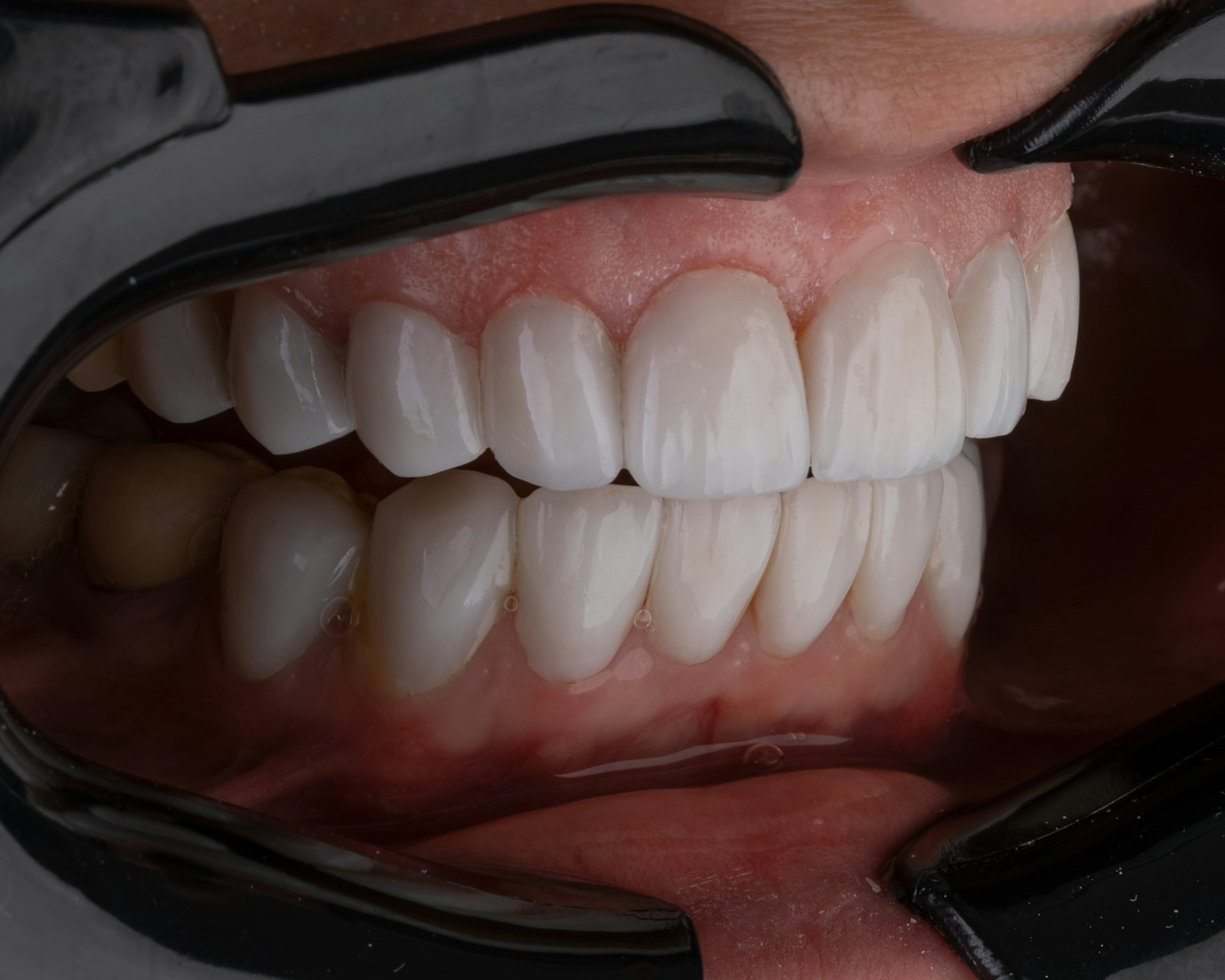
A veneer coming loose is one of those small dental dramas that feels much worse than it is, especially if it happens before a big day out. Here's the reassuring headline: if the veneer itself is undamaged, rebonding it is usually a quick, affordable fix, often landing somewhere around £100 to £400 in the UK rather than the cost of a whole new one.
We'll walk you through exactly what rebonding involves, what makes the price go up or down, and when a veneer can simply be popped back on versus when it needs replacing. And because a debonded veneer can feel like an emergency, we'll cover what to do in the moment too, so you're not left guessing.
What "Rebonding" Actually Means
Let's start with the picture, because it makes everything clearer. A veneer is a thin shell of porcelain or composite glued to the front of your tooth, a bit like a fingernail-thin tile bonded to a wall. Rebonding simply means cleaning up both surfaces and gluing that same shell back into place, the way you'd re-stick a tile that had come away whole.
That's why it's so much cheaper than a replacement: you already have the veneer, so you're only paying for the skill and the time to reattach it properly, not for a brand-new one to be designed and made. The key word there is "whole," though. Rebonding only works when the veneer that came off is intact and you've still got it, which brings us neatly to the thing that most affects the price.
What Changes the Cost
A few honest factors decide whether you're at the lower or higher end of that £100 to £400 range, and knowing them helps you understand any quote you're given.
The biggest one is the condition of the veneer itself. A porcelain veneer that popped off cleanly and in one piece is the ideal case, because it can often just be cleaned and rebonded in a single short visit. If it's chipped, cracked, or you couldn't find it after it came away, then rebonding isn't on the table and you're looking at a replacement instead, which is a different job at a different price. The material plays a part too, as a sturdy porcelain veneer rebonds differently to a composite one.
Then there's why it came off in the first place, because that matters for doing the job well. Sometimes a veneer debonds because the glue simply gave up over the years, which is a clean rebond. Other times there's a bit of decay or a problem on the tooth underneath, and that needs sorting before anything goes back on, since gluing a veneer over a hidden problem just stores up trouble. A good dentist checks the tooth first, and we always will.
When a Veneer Needs Replacing Instead
Sometimes the honest answer is that rebonding won't do, and you deserve to hear that straight rather than pay for a fix that won't last. If the veneer is cracked or chipped, or it's been lost down the plughole, there's simply nothing to reattach, so a new one has to be made. Likewise, if a veneer has failed several times or the tooth beneath has changed shape, a fresh veneer built to fit is the sounder long-term choice.
At UrgentCare Dental, a new porcelain veneer is £695 per tooth, and that covers designing and crafting a replacement that matches your other teeth beautifully. It's more than a rebond, of course, but when a rebond isn't possible it's the option that actually solves the problem. If your veneer troubles keep recurring, our guide to common veneer problems is worth a read, as it often points to why they're happening.
What to Do the Moment a Veneer Comes Off
Right, let's deal with the panic first, because that's what most people feel. Take a breath, because a debonded veneer is rarely a true emergency, even though it feels like one. The tooth underneath is usually fine, if a little more sensitive to hot and cold now it's uncovered, and no lasting harm comes from being without the veneer for a short while.
Here's the practical bit. If the veneer came off in one piece, find it, rinse it gently, and pop it somewhere safe like a small tub, because keeping it intact is what makes a cheap rebond possible. Don't try to glue it back yourself with anything from a drawer, as household and shop-bought glues aren't safe in the mouth and can ruin a veneer that could otherwise have been saved. Avoid biting directly on the exposed tooth, and if it's sensitive, stick to lukewarm food and drink for now. Then book in to be seen, ideally soon while the tooth surface is clean and easy to rebond to.
Because a lost veneer can feel urgent, especially before an event, our £20 emergency and assessment appointment is exactly the sort of thing to book. It includes X-rays, so we can check the tooth underneath is healthy before we rebond, and get you smiling properly again quickly.
Keeping a Rebonded Veneer in Place
Once your veneer's back on, a little care keeps it there, and it's easy stuff. Go gently on it for the first day while everything sets fully, and be a bit kind to it long term by not using your veneered teeth as tools for opening packets or biting nails, which is a common way they pop off again. If you grind your teeth at night, mention it, because a nightguard protects veneers from the constant pressure that loosens them.
It's also worth knowing that veneers don't last forever even when they behave, and our guide to how long porcelain veneers last sets honest expectations. A veneer that debonds cleanly after many good years has often simply reached the end of its glue's life, and a rebond or a fresh one gives you many more.
Your Questions, Answered
How much does it cost to rebond a veneer in the UK?
For an intact veneer that's come off cleanly, rebonding typically costs somewhere around £100 to £400 in the UK, because you're paying for the reattachment rather than a whole new veneer. The exact figure depends on the veneer's condition and whether the tooth underneath needs any attention first. If the veneer is damaged or lost, a replacement is needed instead, which costs more.
Can a veneer be glued back on?
Yes, as long as it came off in one piece and isn't chipped or cracked. A dentist cleans both the veneer and the tooth, checks the tooth is healthy underneath, and bonds it back with a proper dental adhesive designed for the mouth. What you should never do is try it at home with ordinary glue, because that can damage a veneer that was perfectly saveable and isn't safe against your gum.
Why did my veneer fall off?
Usually one of a few reasons: the bonding has simply worn out over years of use, there was a bit of decay or moisture on the tooth that weakened the glue, or the veneer took a knock from biting something hard. Grinding at night is another common culprit. Finding out which it was matters, because it decides whether a simple rebond will hold or whether something underneath needs sorting first.
Is a lost veneer a dental emergency?
Not usually, though it's understandable if it feels like one. The tooth beneath is generally fine, if a little sensitive, and you can safely wait a short while to be seen. Keep the veneer safe if you have it, avoid biting on the exposed tooth, and book in soon so the surface stays clean and easy to rebond. If there's pain or a sharp edge cutting your tongue, that's more of a reason to be seen promptly.
The Short Version
If your veneer has come off in one piece, the good news is that rebonding it is usually a quick, affordable fix at roughly £100 to £400 in the UK, far less than the £695-plus of a new porcelain veneer. The trick is keeping the debonded veneer safe and intact, resisting the urge to glue it yourself, and getting the tooth checked before it goes back on.
If yours has just popped off, don't panic and don't reach for the superglue. Pop it in a tub, book our £20 emergency assessment with X-rays, and let us check the tooth and rebond it properly, so you're back to your full smile in no time.
Ready for Your Dream Smile?
Composite bonding from £199, veneers from £695. 0% finance available on treatments over £500.
Or see all our cosmetic treatments, with prices →